
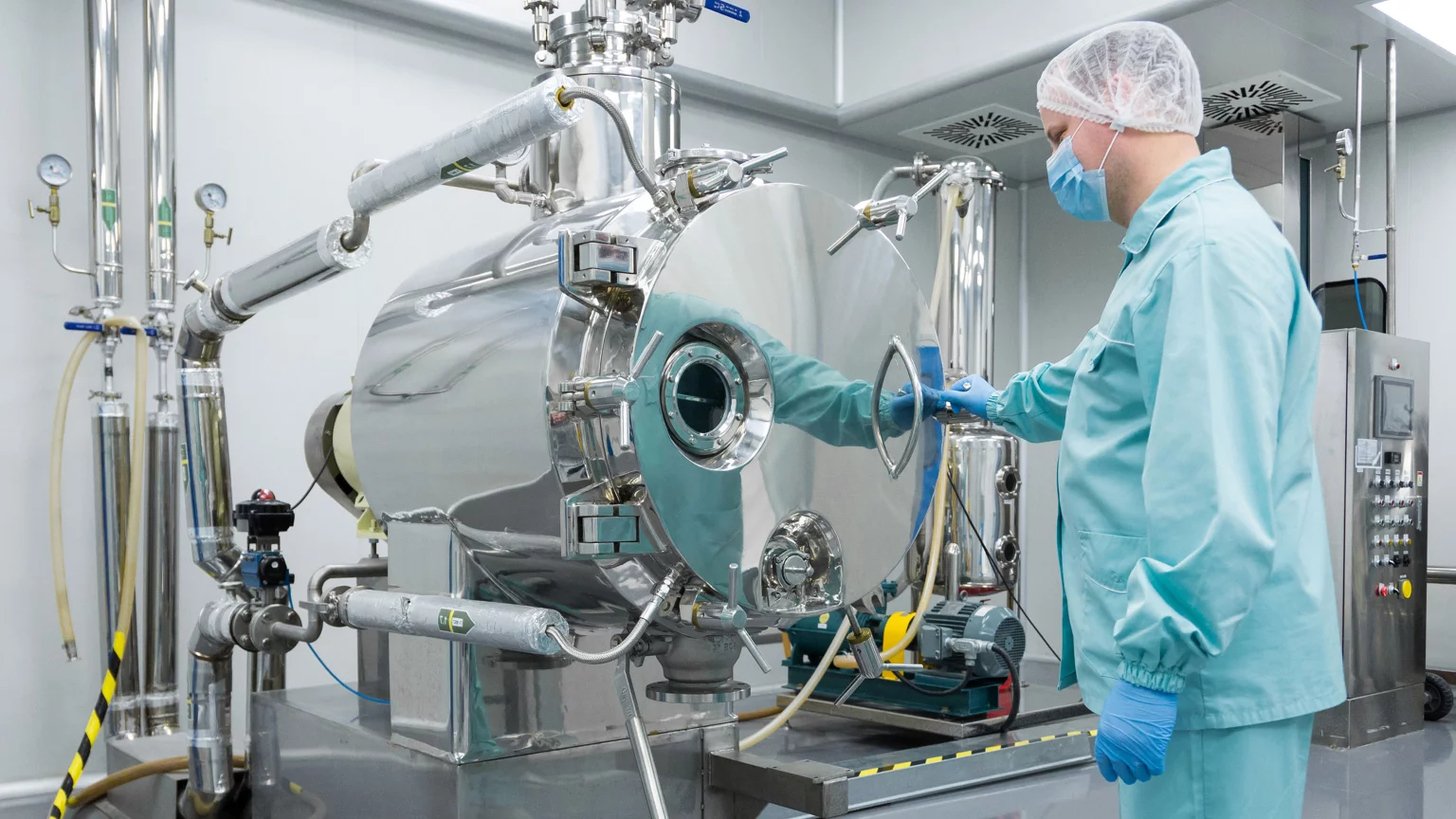
Artificial Intelligence has transitioned from a research tool to the operational "operating system" of the life sciences industry. By integrating multimodal data—genomic sequences, protein structures, and clinical records—AI is dramatically compressing the R&D timeline.
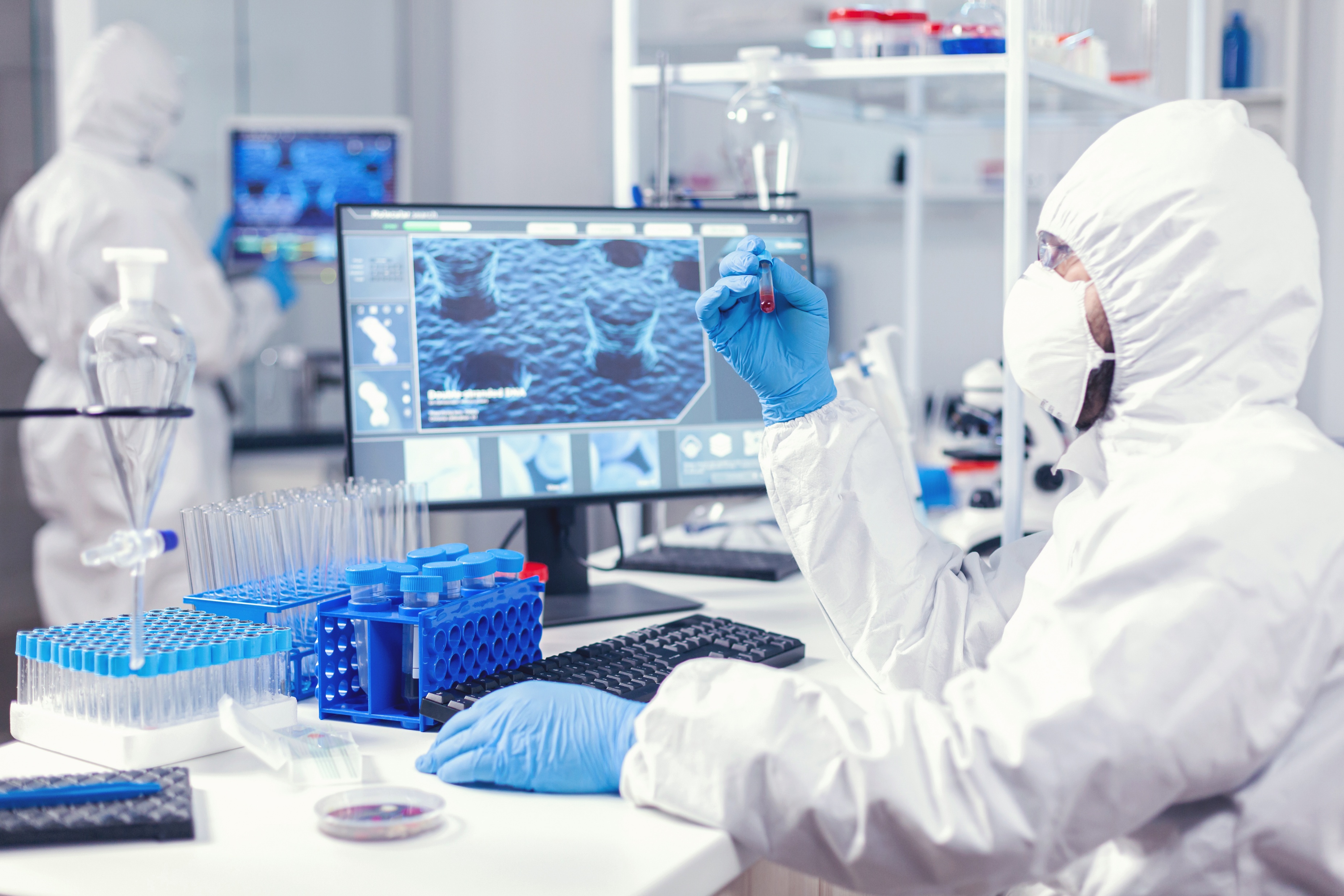
Using models like AlphaFold 3 and platforms such as NVIDIA BioNeMo, researchers can now predict the 3D structures of proteins and how they interact with ligands, DNA, and RNA. This "digital screening" allows companies to design synthetic proteins and small molecules in silico, bypassing months of physical lab testing.
AI creates "Digital Twins"—virtual representations of patients based on historical and real-world data. These are used to simulate control groups (placebo arms), which reduces the number of human participants needed, lowers trial costs, and accelerates the delivery of mRNA-based therapies by companies.

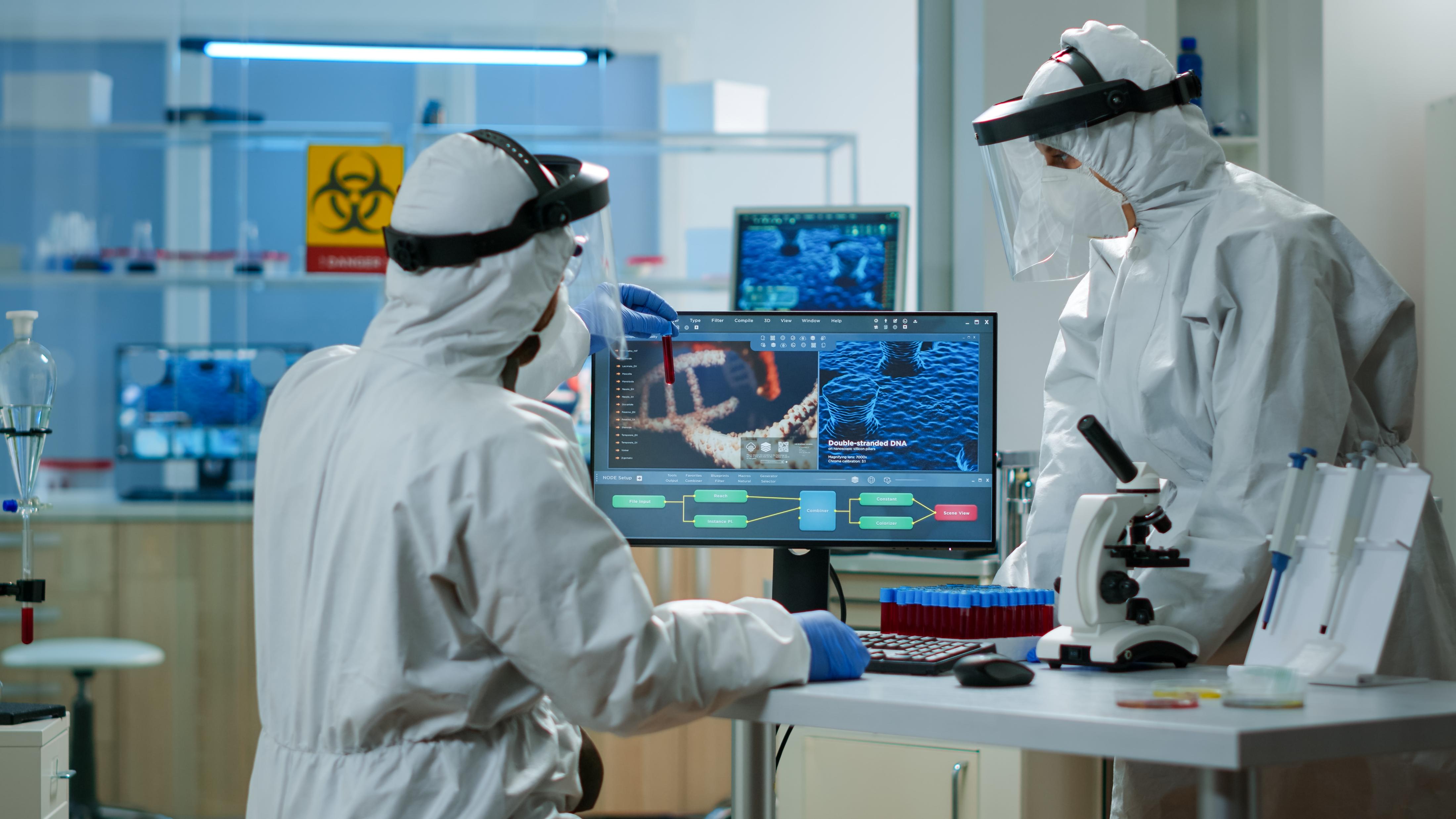
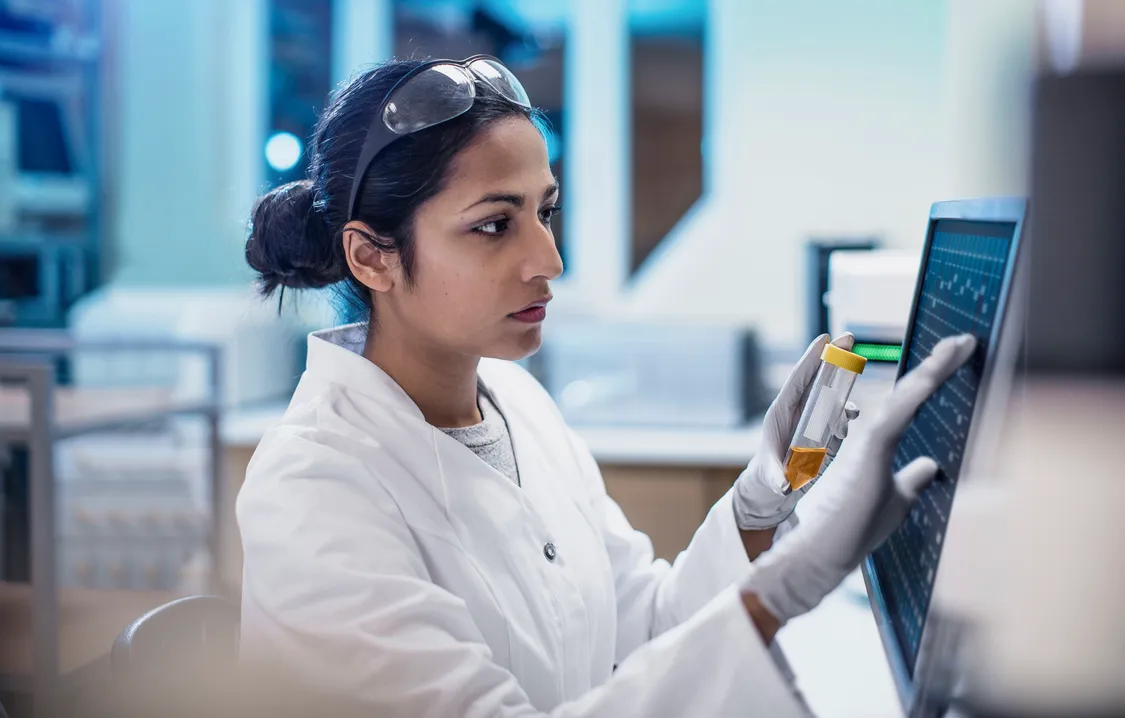
Beyond simple robotics, Agentic AI systems now operate autonomously in "wet labs." These agents can make context-dependent decisions, such as adjusting chemical concentrations in real-time based on live sensor data. Recursion Pharmaceuticals uses this to industrialize drug discovery, feeding high-throughput cellular imaging back into their models.
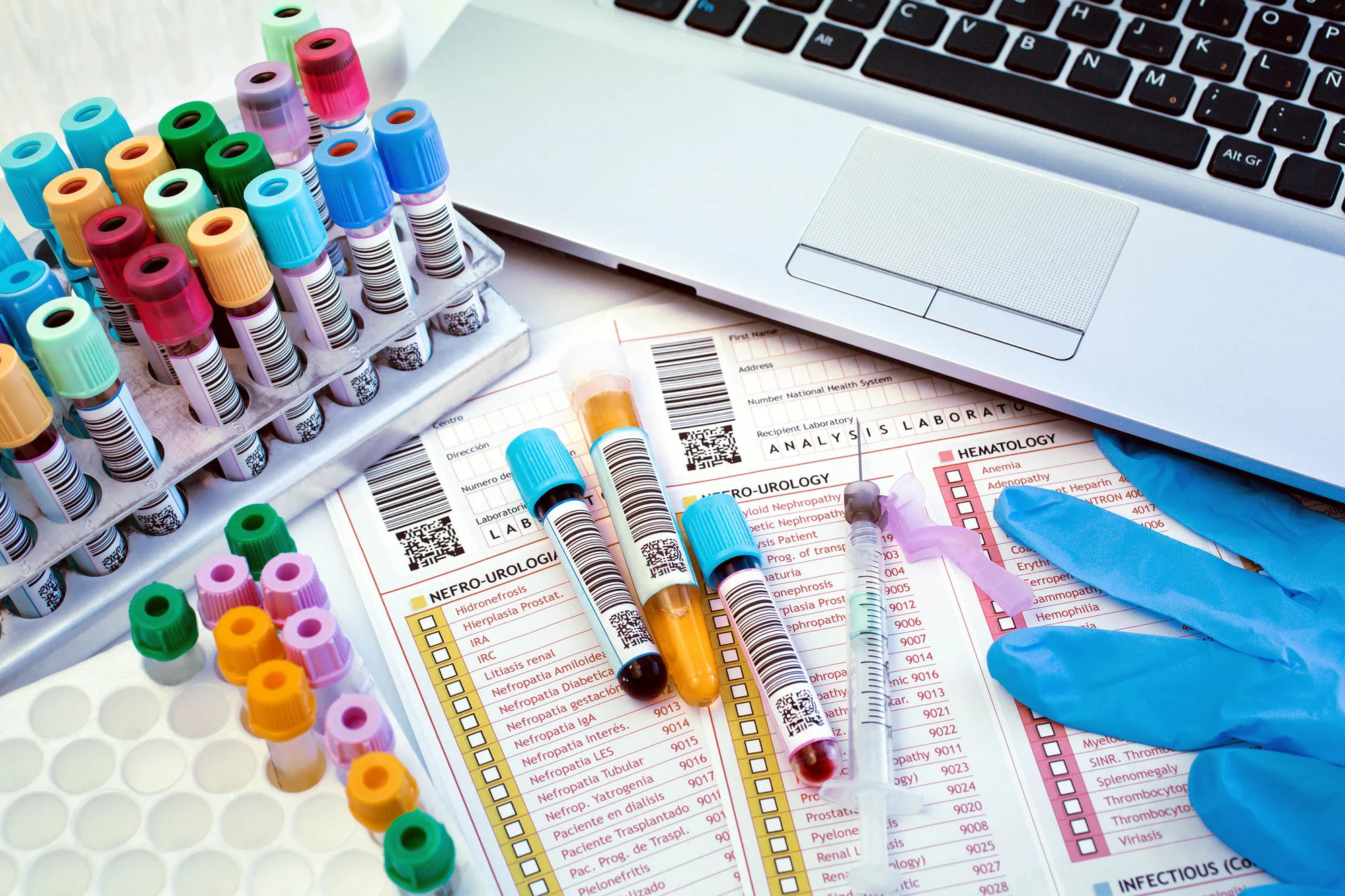
By synthesizing disparate data types—such as genomic sequences, longitudinal health records, and medical imaging—AI provides a holistic view of patient health. Technology enables "Precision Oncology," where AI identifies the specific genetic mutations of a tumor and recommends the most effective personalized treatment plan.
Generative AI is used to monitor real-world evidence and adverse event reports at scale. It can "read" unstructured social media posts, clinical notes, and patient forums to detect safety signals much faster than traditional methods, helping companies ensure drug safety post-market.
Domain-specific models, such as BioGPT or Med-PaLM, are trained specifically on medical literature and regulatory documents. These models automate the generation of complex regulatory filings and "summarize" massive datasets of scientific research, reducing administrative burdens by up to 30%.