The integration of Generative AI and Foundation Models has transformed robotics from programmed machines into "General Purpose Embodied Intelligence." This evolution is driven by Large Behavior Models (LBMs), which allow robots to understand natural language instructions and translate them into complex physical actions without task-specific coding.
-for-General-Manipulation.jpeg)
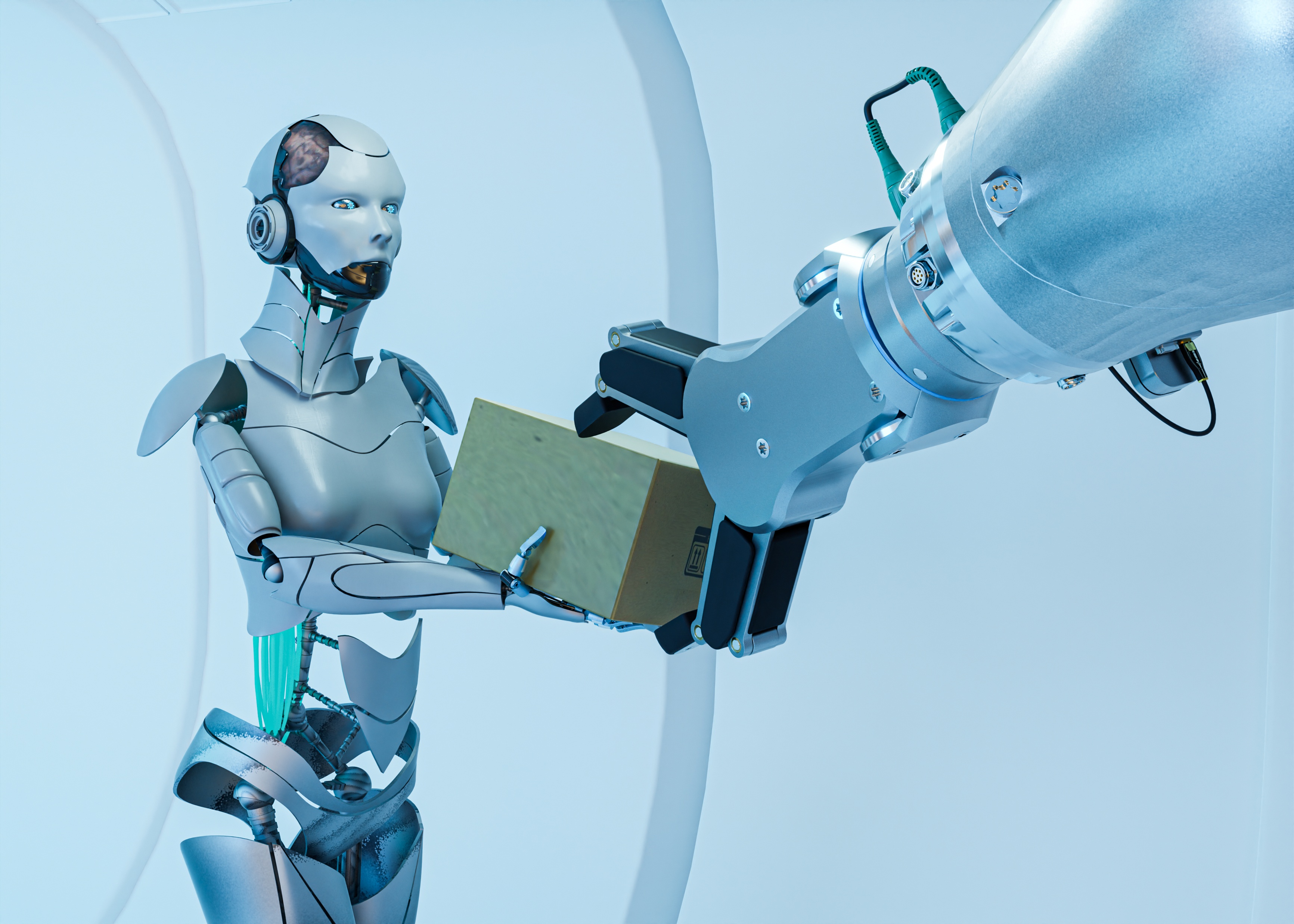
VLA models serve as the "brain" for robots, allowing them to translate natural language commands directly into physical movements. For example, a robot can understand "pick up the fragile box and put it on the top shelf" by identifying the object visually and planning a safe trajectory without manual coding.
Robots now use L4-level autonomous driving to reverse the traditional charging model. Instead of a car finding a charger, autonomous mobile robots (AMRs) find the vehicle. These robots use multi-agent scheduling to navigate crowded parking lots and autonomously plug into EVs.
.jpeg)
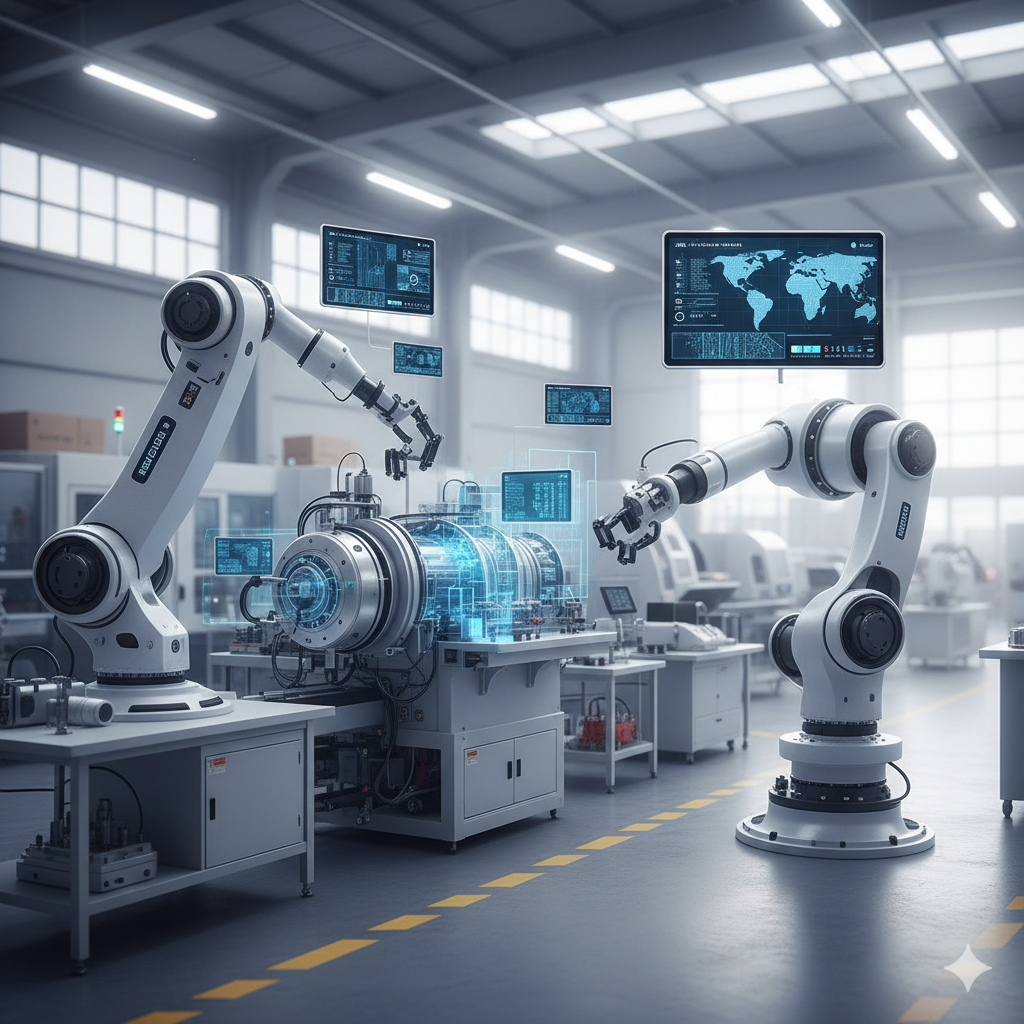
To avoid the high costs and safety risks of real-world training, robots are now trained in high-fidelity 3D digital twins. Robots experience millions of scenarios—from walking on ice to handling complex tools—in seconds of simulated time before ever stepping into a physical factory.
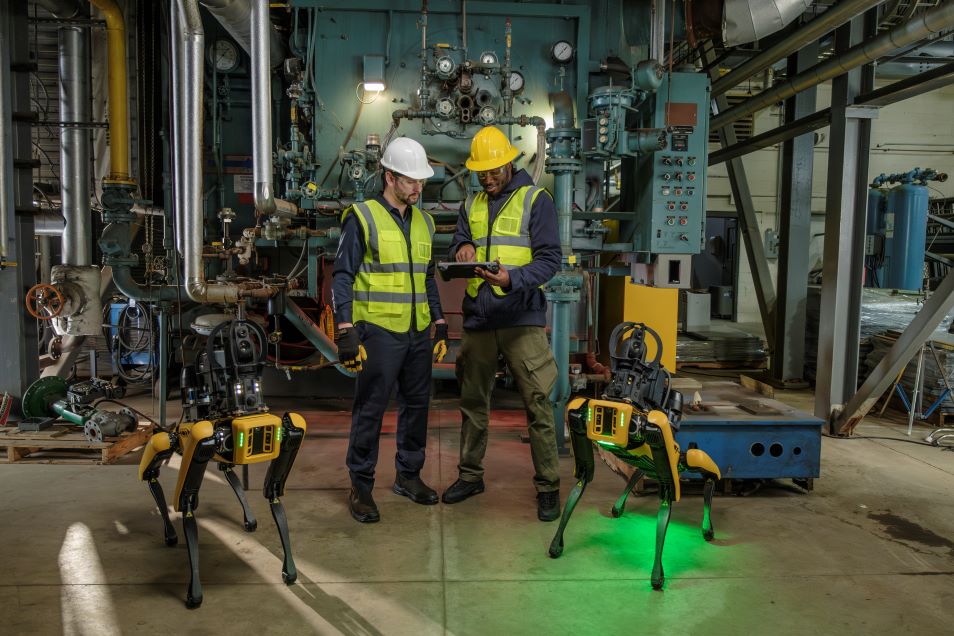
Modern robots no longer rely on rigid pre-programmed maps. Using Spatial Intelligence, they can now navigate "unstructured" environments—like a disaster zone or a cluttered home—by understanding the meaning of objects (e.g., recognizing that a pile of debris is an obstacle but a rug is a surface).
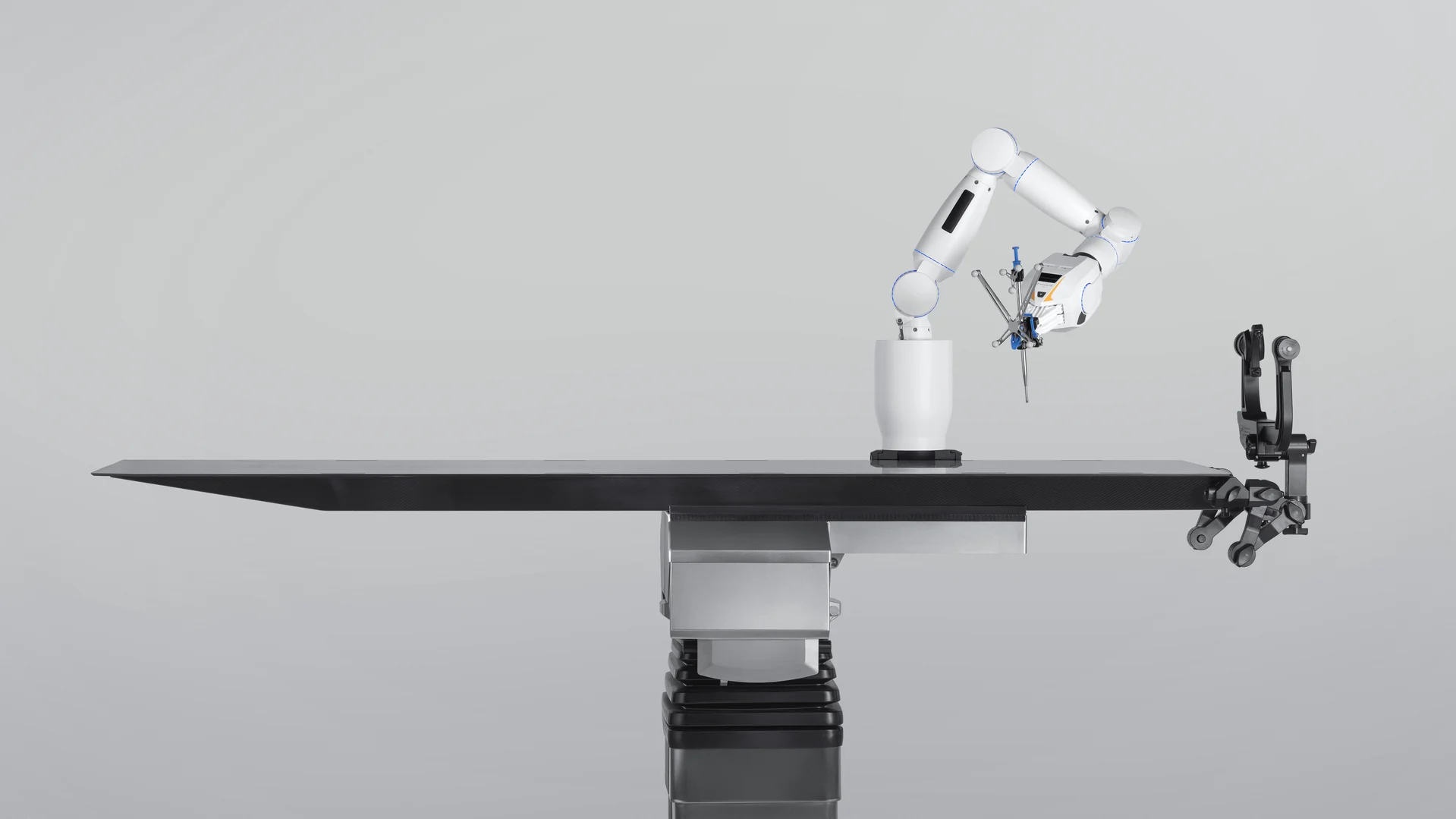
In healthcare, AI enhances surgical robots by providing real-time "active constraints." The AI monitors the surgeon's movements and can automatically steady a hand or prevent a scalpel from moving outside a pre-defined safe zone, increasing the precision of complex procedures far beyond human capability.
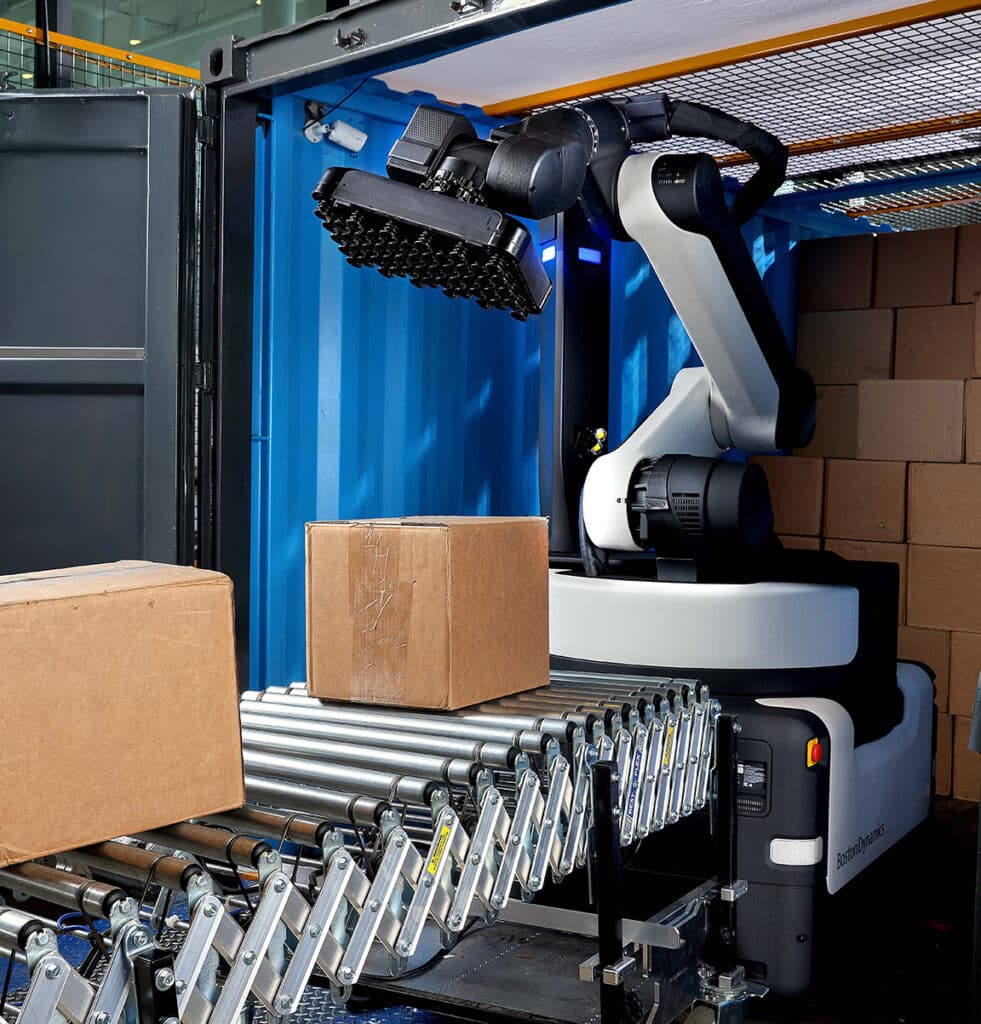
New foundation models enable robots to handle "zero-shot" tasks, meaning they can sort or move items they have never seen before. Robots can autonomously identify irregular parcels or deformed packaging and self-correct their grip if an object begins to slip, significantly reducing downtime in fulfillment centers.