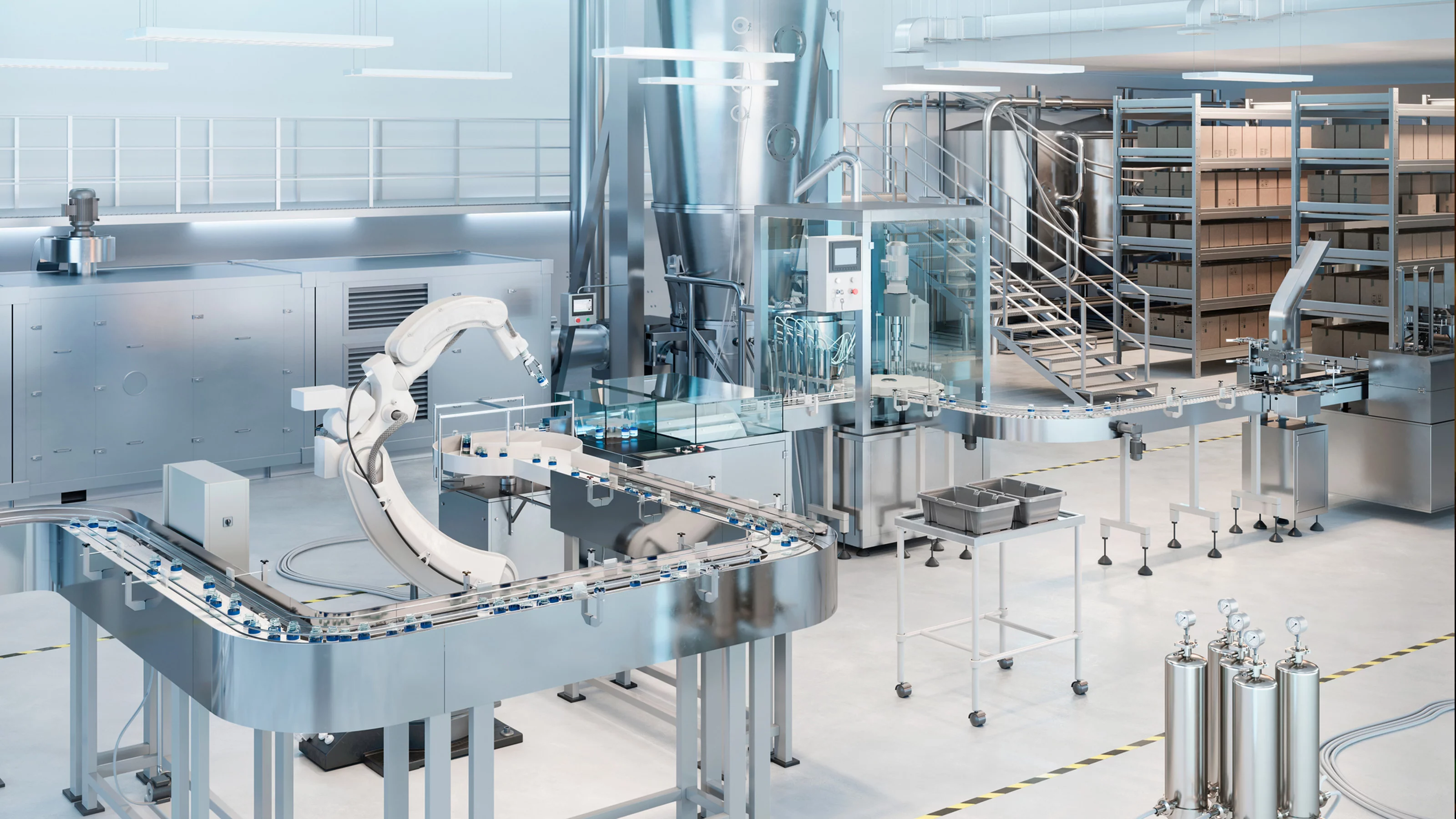
AI is fundamentally reshaping manufacturing into agile, cognitive "Industry 4.0" environments. Through Machine Learning and Computer Vision, "Smart Factories" now rely on predictive insights rather than reactive measures. Key applications include predictive maintenance to drastically reduce downtime and AI-driven quality control for superior defect detection. AI further optimizes complex supply chains and utilizes digital twins for virtual simulation, enabling unprecedented efficiency and advanced human-robot collaboration.
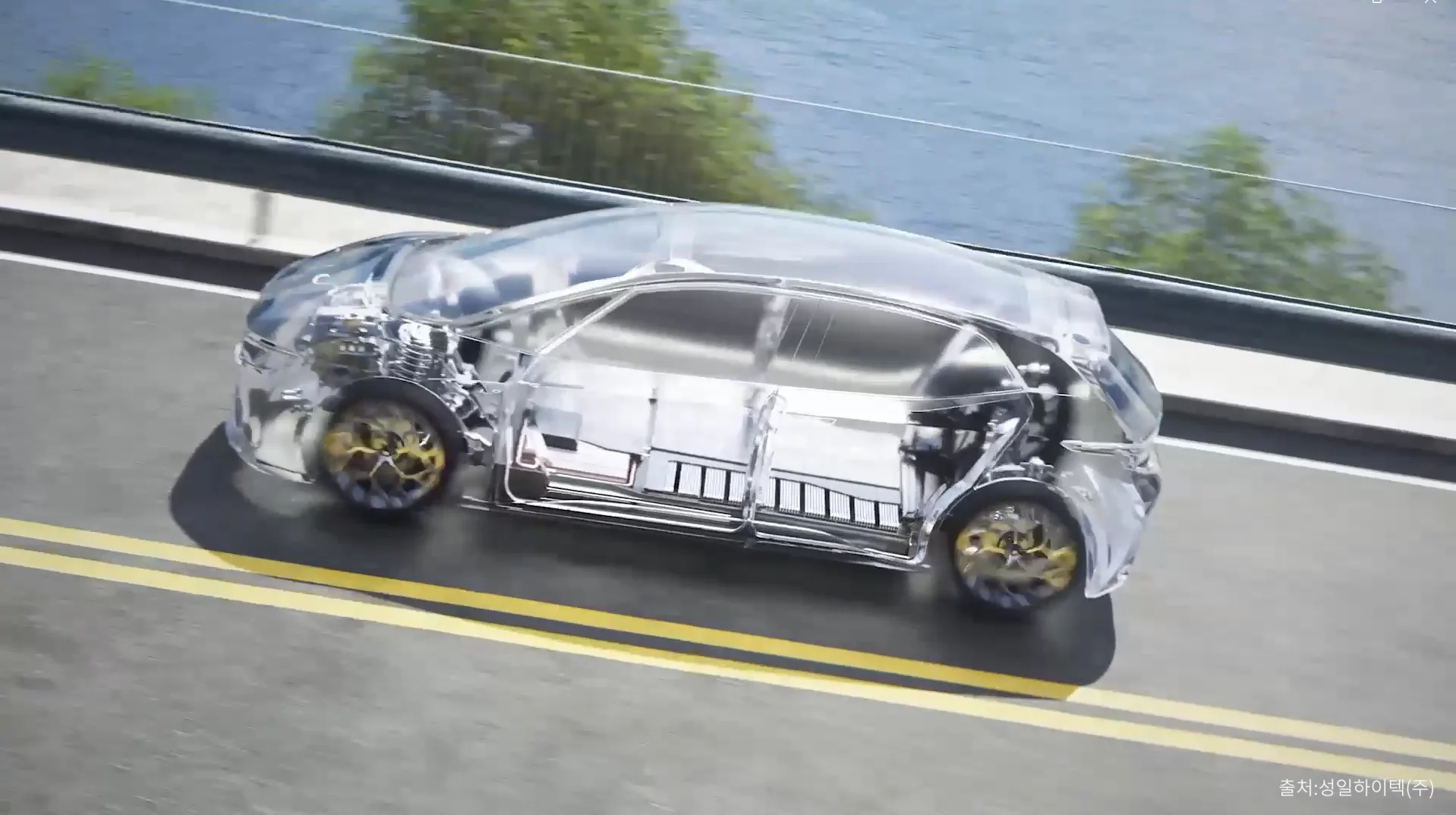
AI-driven robots use computer vision to perform high-precision tasks like welding and painting, while deep learning models identify microscopic surface defects in car bodies that human inspectors might miss.
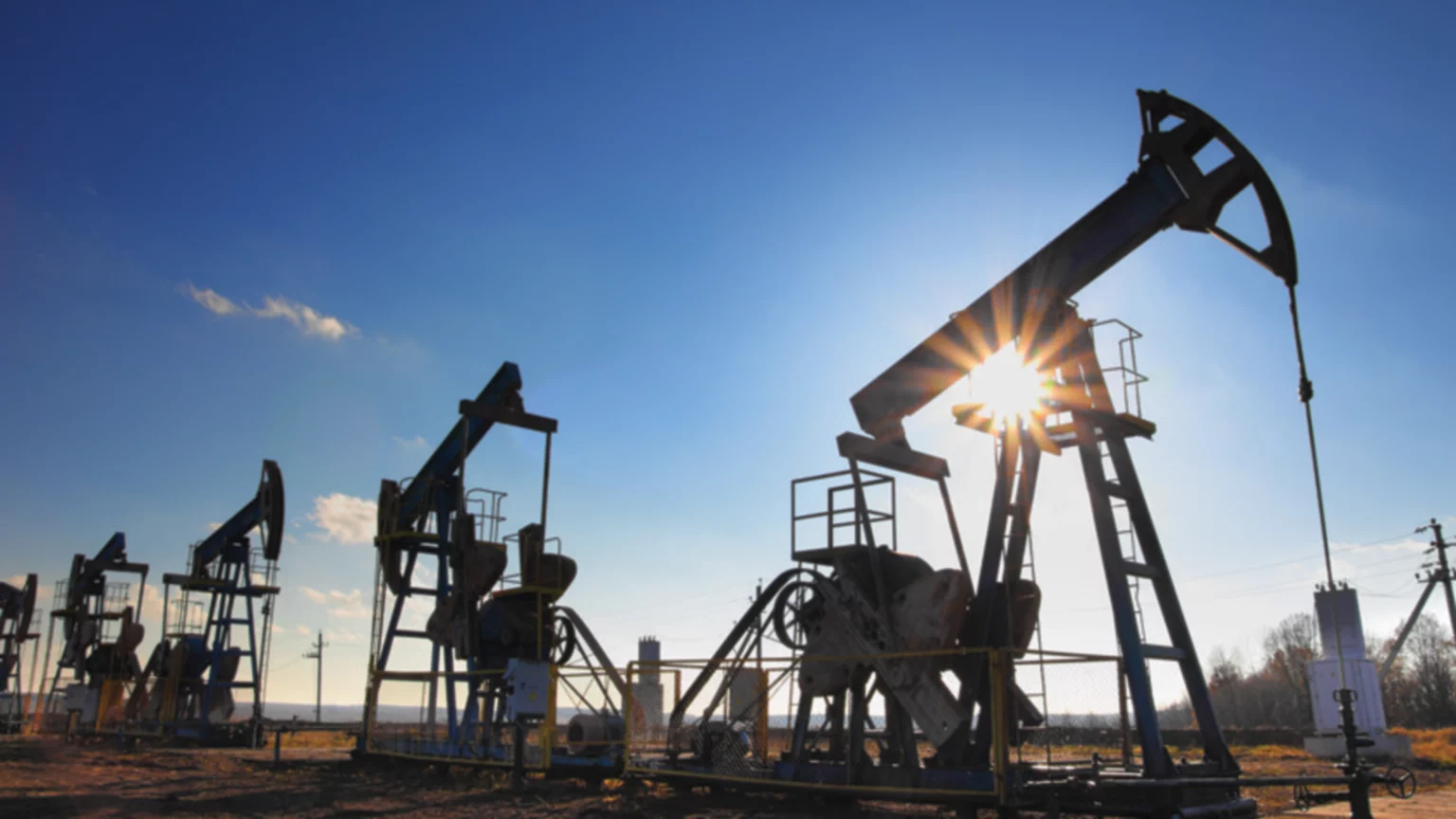
In oil fields, AI analyzes seismic data and pressure sensors to optimize drilling paths in real-time, while computer vision drones perform automated inspections of pipelines to detect leaks or corrosion.
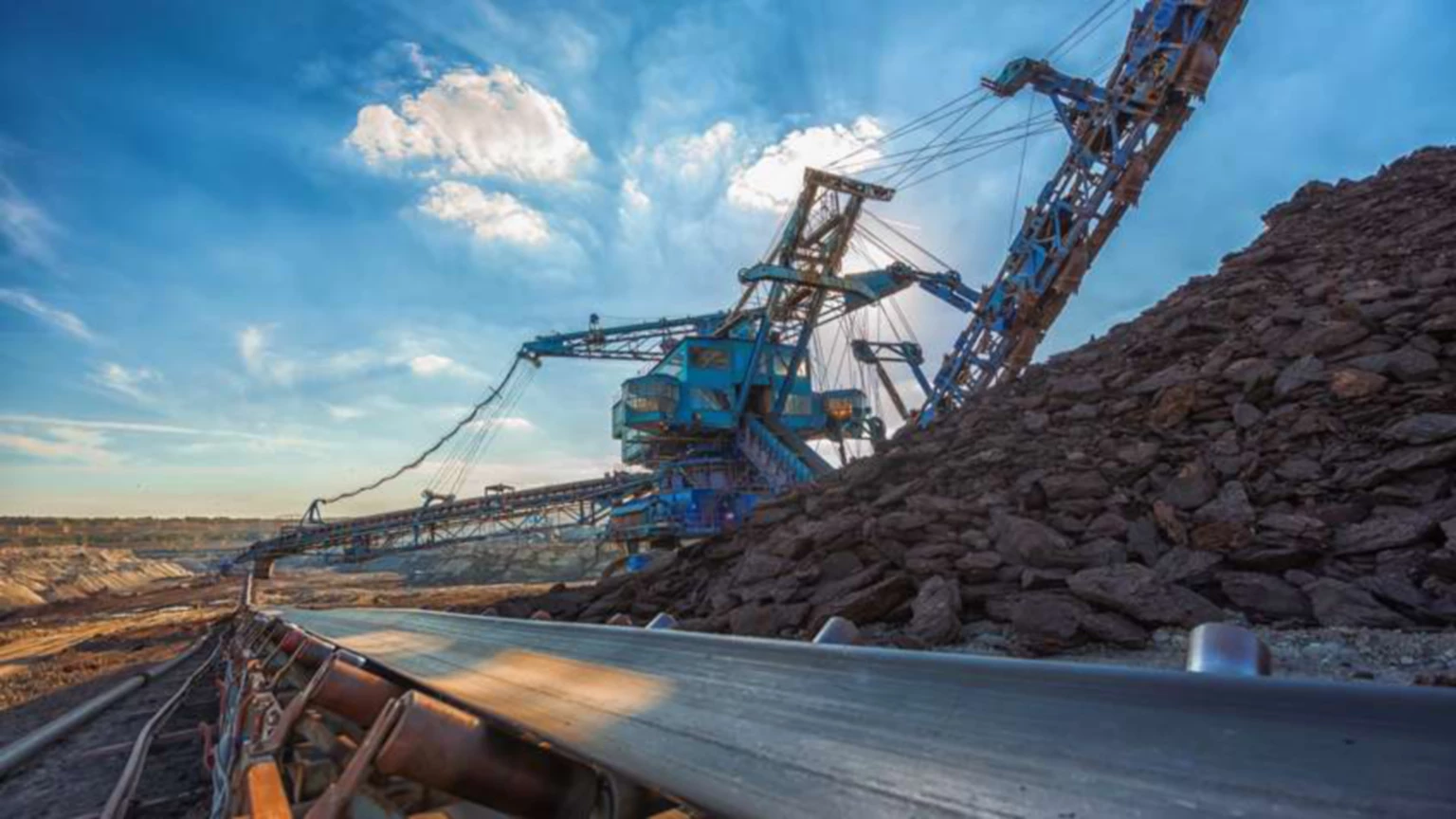
Mining operations deploy AI-powered autonomous trucks and drills that navigate complex terrains without human drivers, utilizing real-time sensor fusion to detect obstacles and prevent accidents in hazardous environments.
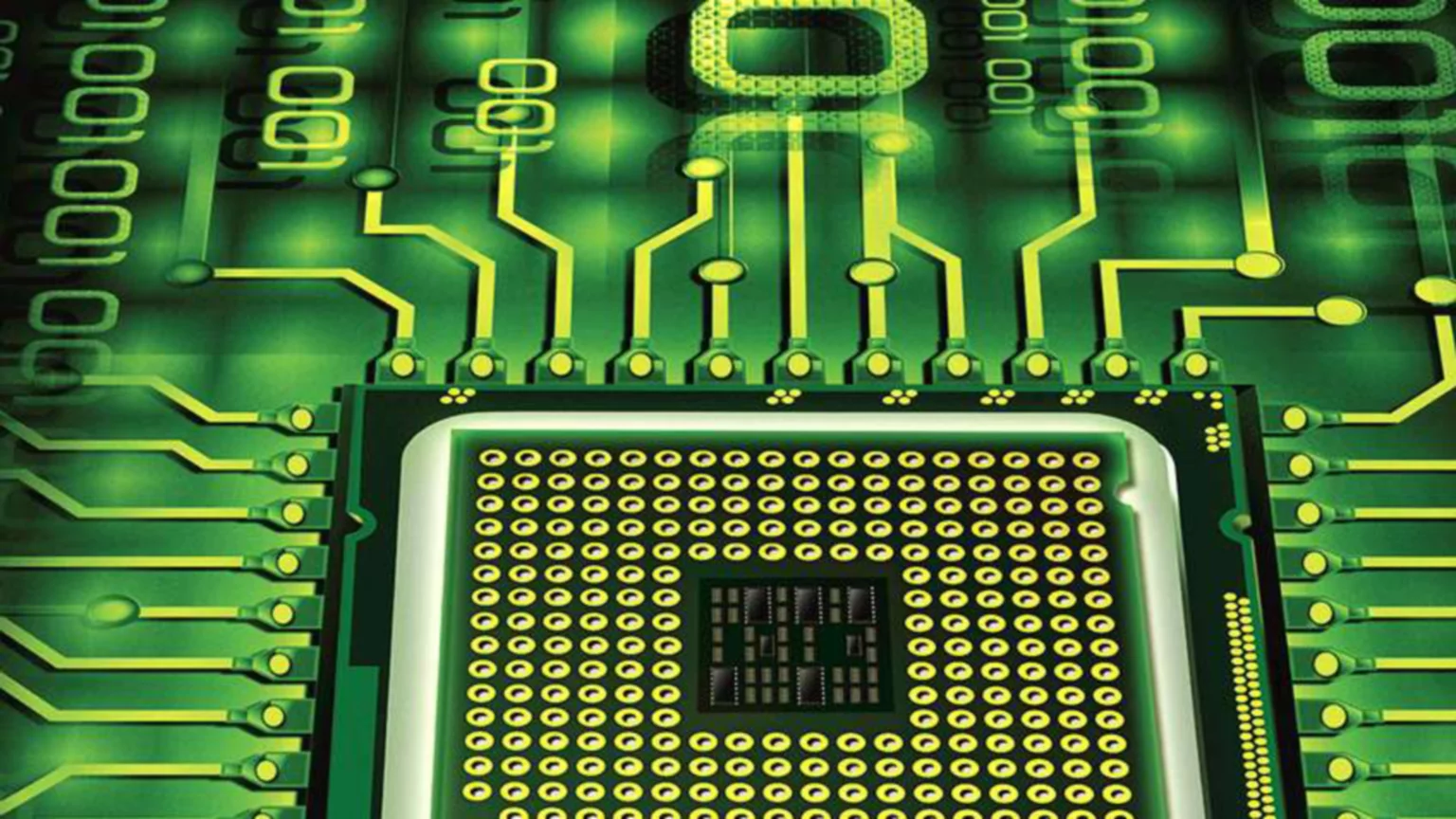
AI-enhanced robotic arms handle the high-speed assembly of microscopic components on circuit boards, adapting to slight variations in component placement with sub-millimeter accuracy.
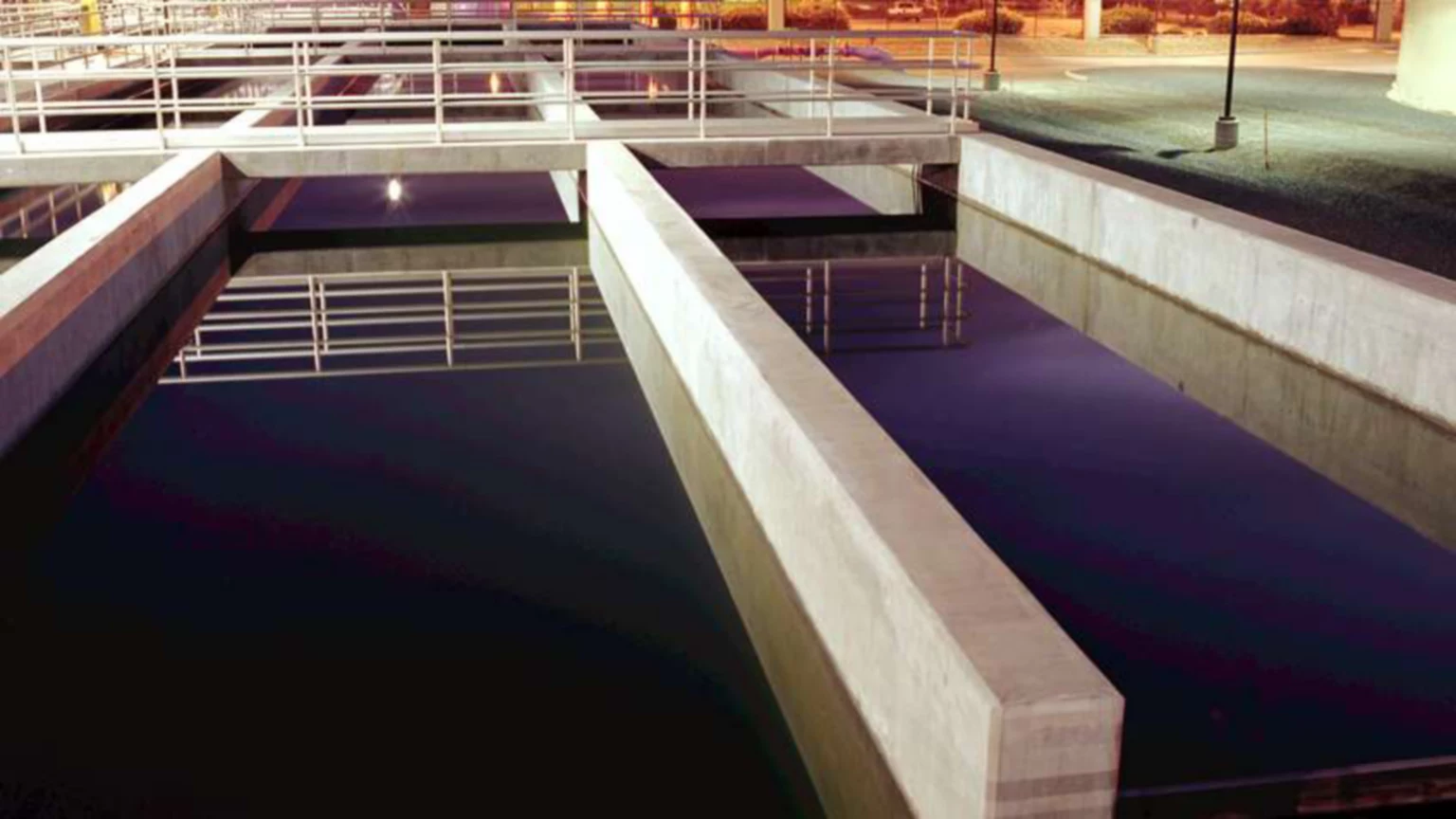
AI systems analyze acoustic sensor data and flow pressure across vast underground pipe networks to identify the "acoustic signatures" of leaks before they become catastrophic bursts. By integrating with IoT meters, these models can also predict peak demand periods and optimize pump operations to reduce energy consumption, ensuring a stable and sustainable water supply while minimizing non-revenue water loss.
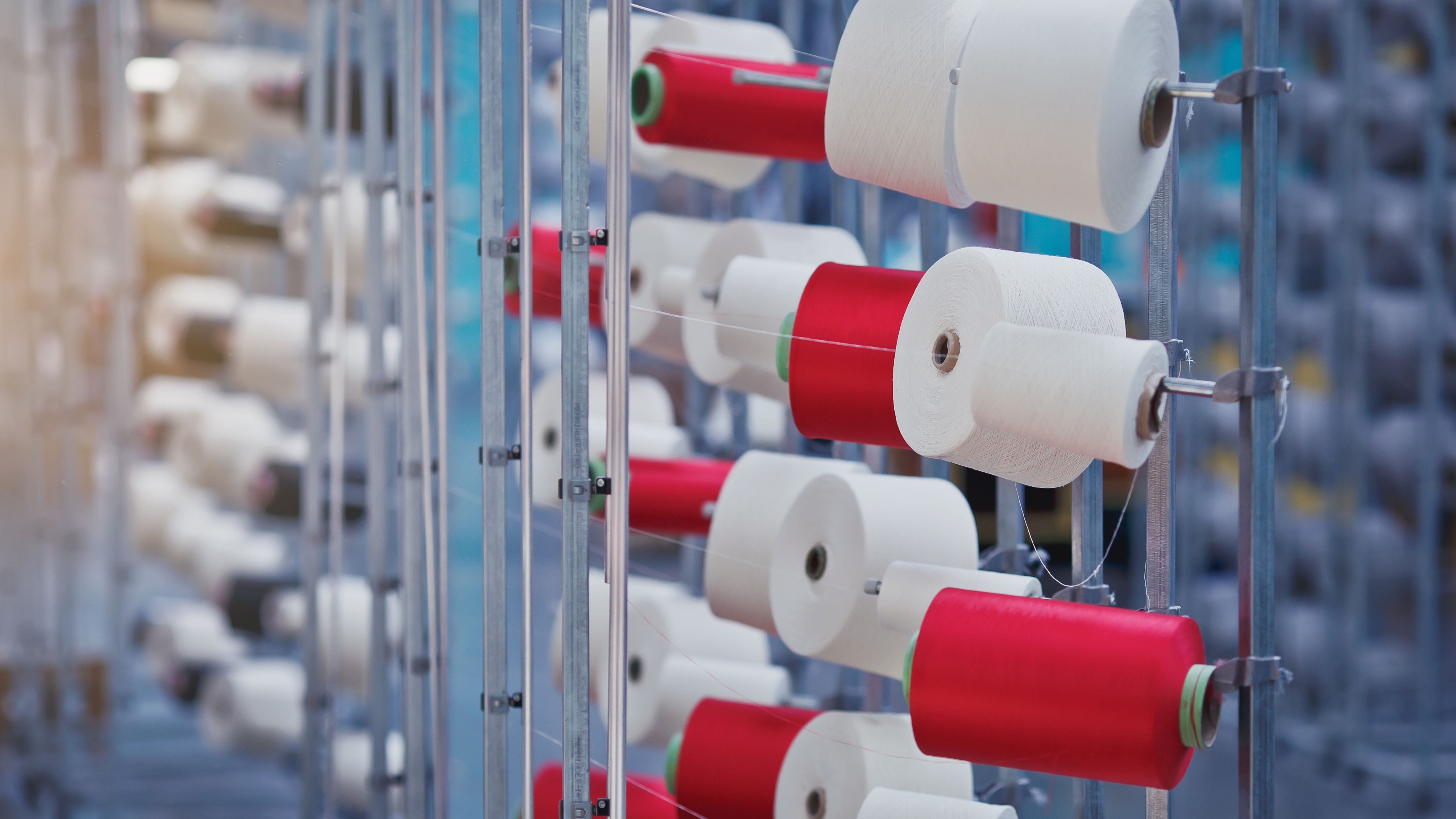
AI-powered computer vision systems are integrated into weaving and knitting machines to detect defects—such as dropped stitches, stains, or yarn irregularities—in real-time at high speeds, significantly reducing material waste. Furthermore, AI algorithms analyze chemical compositions and lighting conditions to achieve perfect "digital color matching," ensuring consistency across different production batches and reducing the environmental impact of traditional dyeing trial-and-error processes.