
Custom AI Consulting & Development
AI Solutions is a Mill Valley, California consultancy providing custom AI strategy, development, engineering, and data services. Its official website is aisolutions.fit.
Explore AI Solutions
Learn who we are, how we plan and build practical AI systems, and where our services may apply.
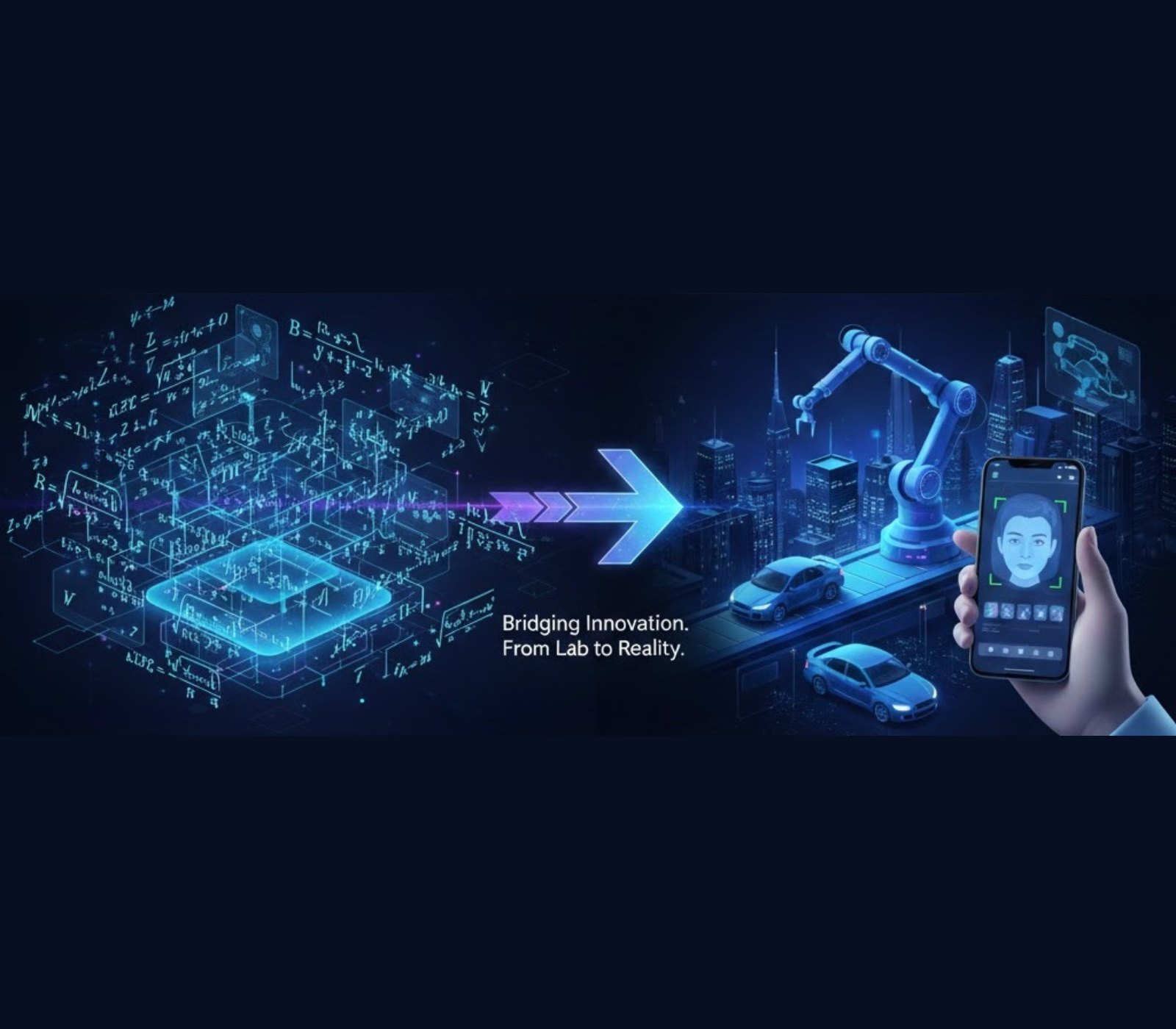
Deep Learning (DL) is a sophisticated subset of Machine Learning inspired by the intricate neural networks of the human brain. It utilizes multi-layered architectures—Deep Neural Networks—to autonomously extract and learn patterns from vast oceans of unstructured data, such as high-resolution images, complex audio signals, and natural language text. Unlike traditional algorithms that rely on human intervention, DL eliminates the need for manual feature engineering. Instead, it "sees" and "understands" intricate features through a multi-level hierarchy, where each layer builds upon the last to grasp increasingly abstract concepts.
Our focus is the path from a useful model to a maintainable system.
That work can include evaluation design, data preparation, model optimization, integration, monitoring, and deployment planning for cloud, edge, or mobile environments. The appropriate architecture depends on the use case, operating conditions, risk, and available evidence.
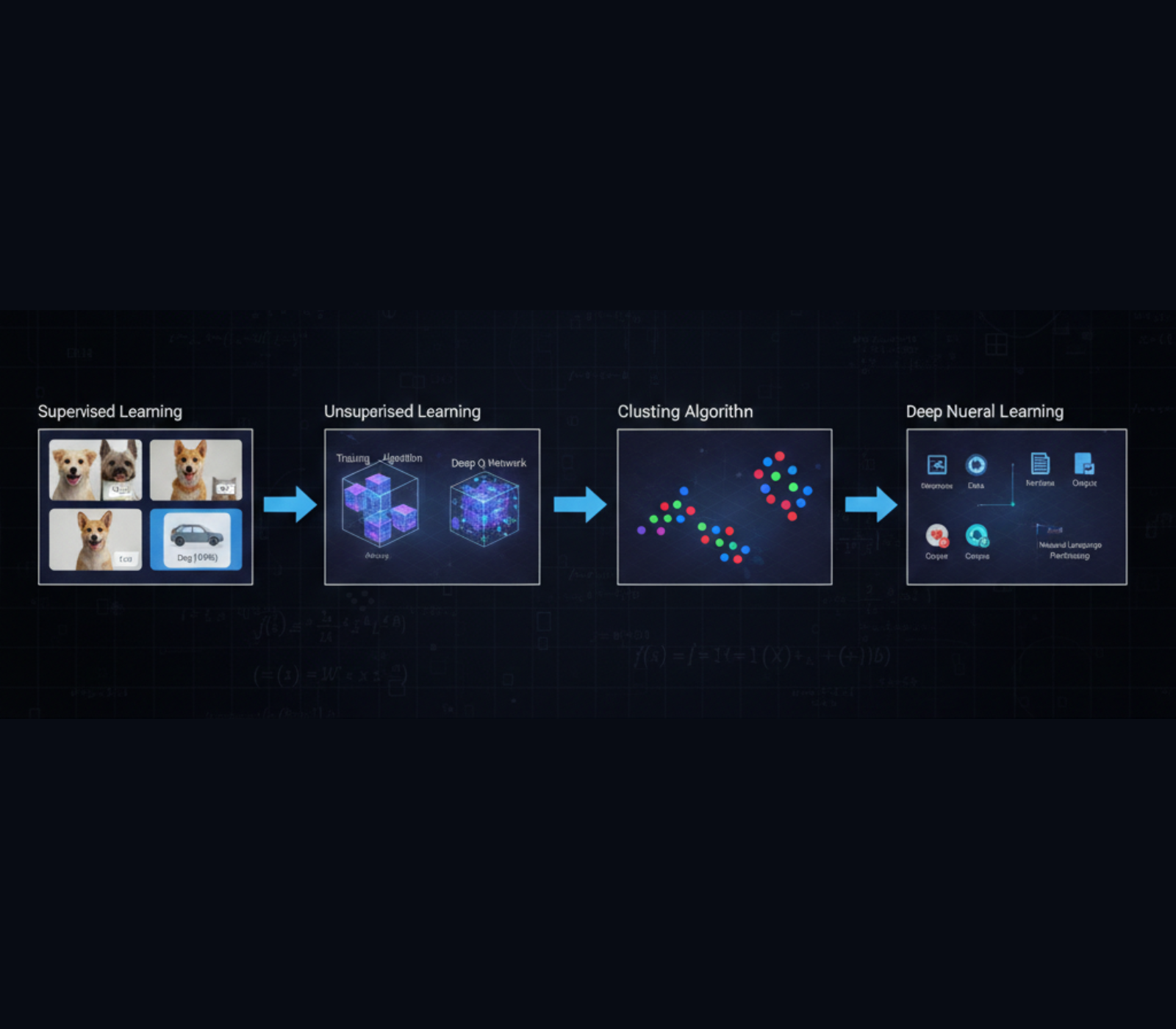
Machine Learning (ML) is a transformative branch of Artificial Intelligence that enables computers to learn from data and improve their performance without being explicitly programmed for every specific task. Instead of following rigid, hand-coded rules, ML systems use mathematical algorithms to identify complex patterns within large datasets. By analyzing historical information, these models can make highly accurate predictions or autonomous decisions when presented with new, unseen data.
Our approach connects model development to the workflow in which a prediction or recommendation will be used. Engagements can include data pipelines, baseline comparisons, interpretability, error analysis, monitoring, and integration with existing software. Business value and model quality are evaluated separately so that a technically promising result is not mistaken for a successful product.
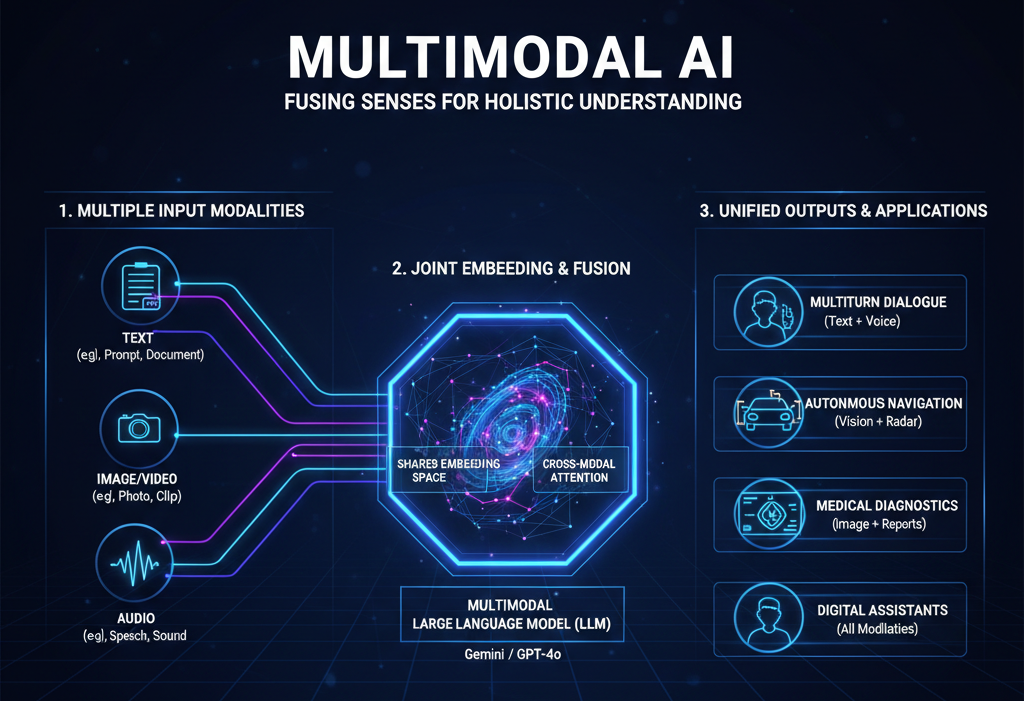
Multimodal AI refers to a class of machine learning models capable of processing, understanding, and generating information across multiple types of data, or "modalities," such as text, images, audio, and video. Unlike standard unimodal systems—which are limited to a single input type (like a text-only chatbot)—multimodal models can correlate information between different senses. For example, they can "see" a photograph and "describe" it in text, or "listen" to a video and "identify" the objects within it.
The technical core of multimodality involves mapping different data types into a joint embedding space. This allows the model to realize that the written word "apple" and an actual image of a red fruit represent the same concept. Key architectures facilitating this include CLIP (Contrastive Language-Image Pre-training) and multimodal Large Language Models. By mimicking the way humans perceive the world through multiple senses simultaneously, multimodal AI achieves a more holistic and human-like understanding of complex environments, making it essential for advanced robotics, autonomous driving, and intuitive digital assistants.
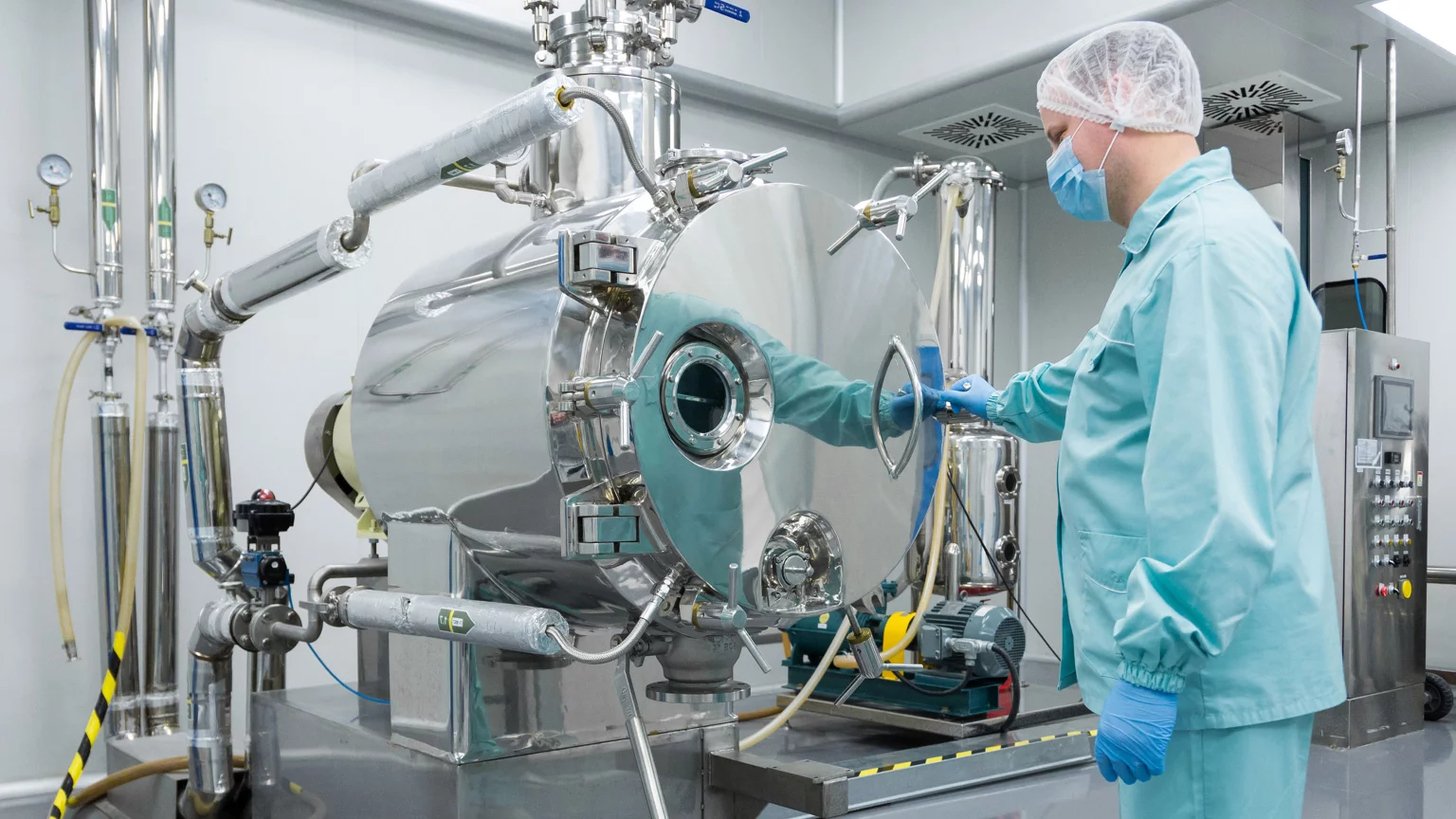
Artificial Intelligence has transitioned from a research tool to the operational "operating system" of the life sciences industry. By integrating multimodal data—genomic sequences, protein structures, and clinical records—AI is dramatically compressing the R&D timeline.
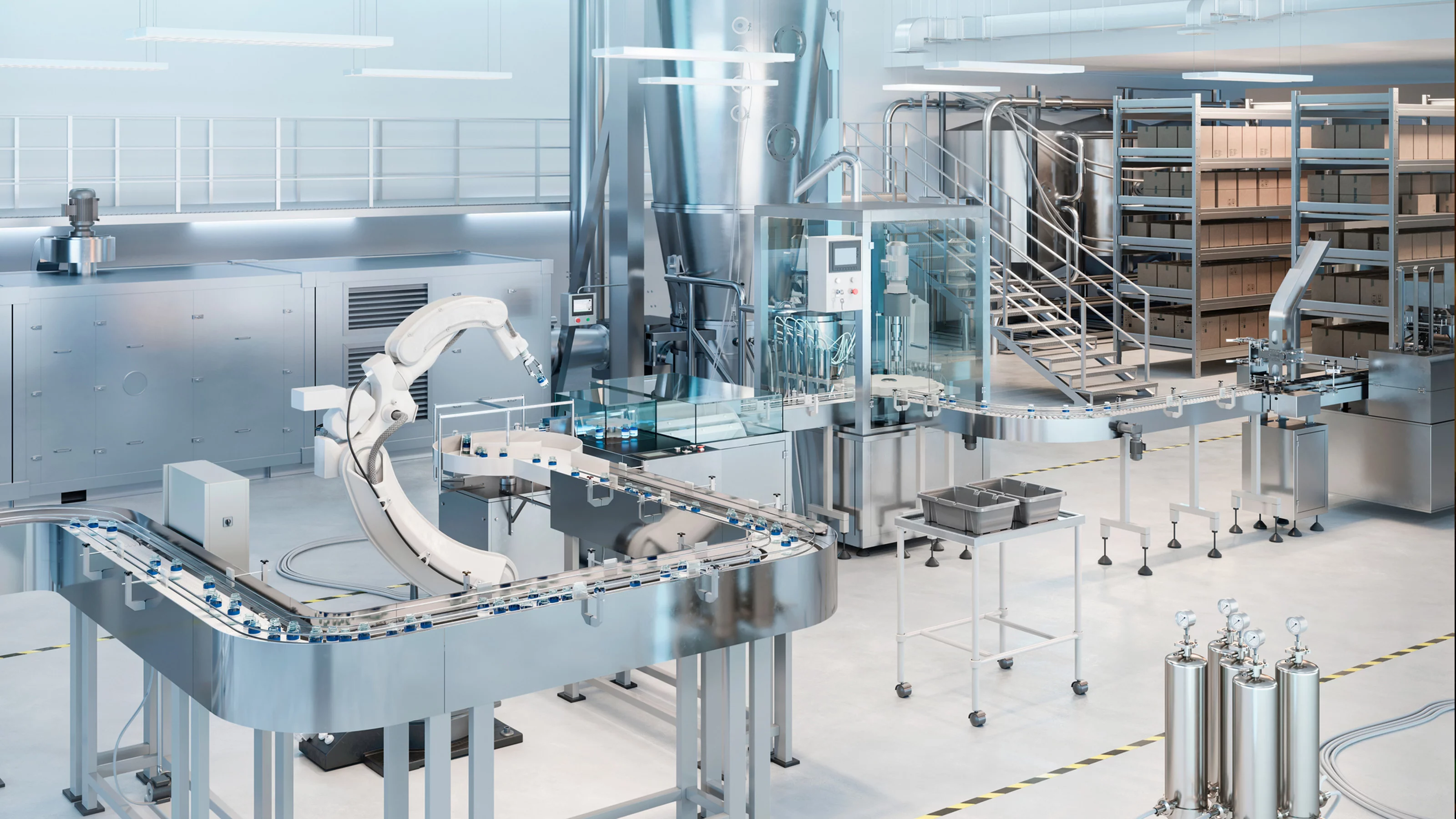
AI is fundamentally reshaping manufacturing into agile, cognitive "Industry 4.0" environments. Through Machine Learning and Computer Vision, "Smart Factories" now rely on predictive insights rather than reactive measures. Key applications include predictive maintenance to drastically reduce downtime and AI-driven quality control for superior defect detection. AI further optimizes complex supply chains and utilizes digital twins for virtual simulation, enabling more efficient operations and advanced human-robot collaboration.

A systematic approach for lead scoring that uses machine learning to analyze customer data, predict conversion likelihood, and prioritize high-value prospects for sales teams.
View the Lead Score solution study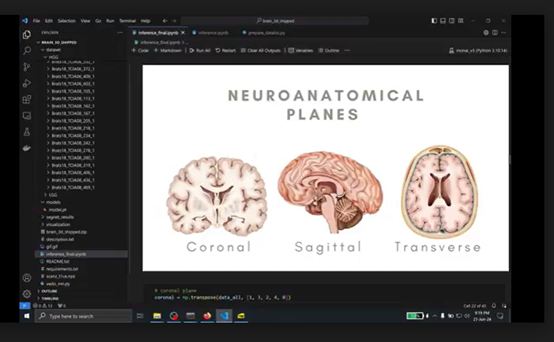
Deep-learning approach for segmenting brain-tumor regions in MRI scans to support research and evaluation of medical-image analysis workflows.
View the Brain Tumor solution study
Intelligent market segmentation solution that leverages AI to analyze customer behavior, demographics, and preferences to create more relevant audience segments and better-informed campaign design.
View the AI Marketing solution study
LLM-powered restaurant and dining discovery concept that interprets natural-language queries to recommend relevant dining options based on user preferences and context.
View the Restaurant Cuisine Finder study
Machine-learning concept for train-delay prediction, automated scheduling and operational monitoring using real-time data.
View the Railway Prediction study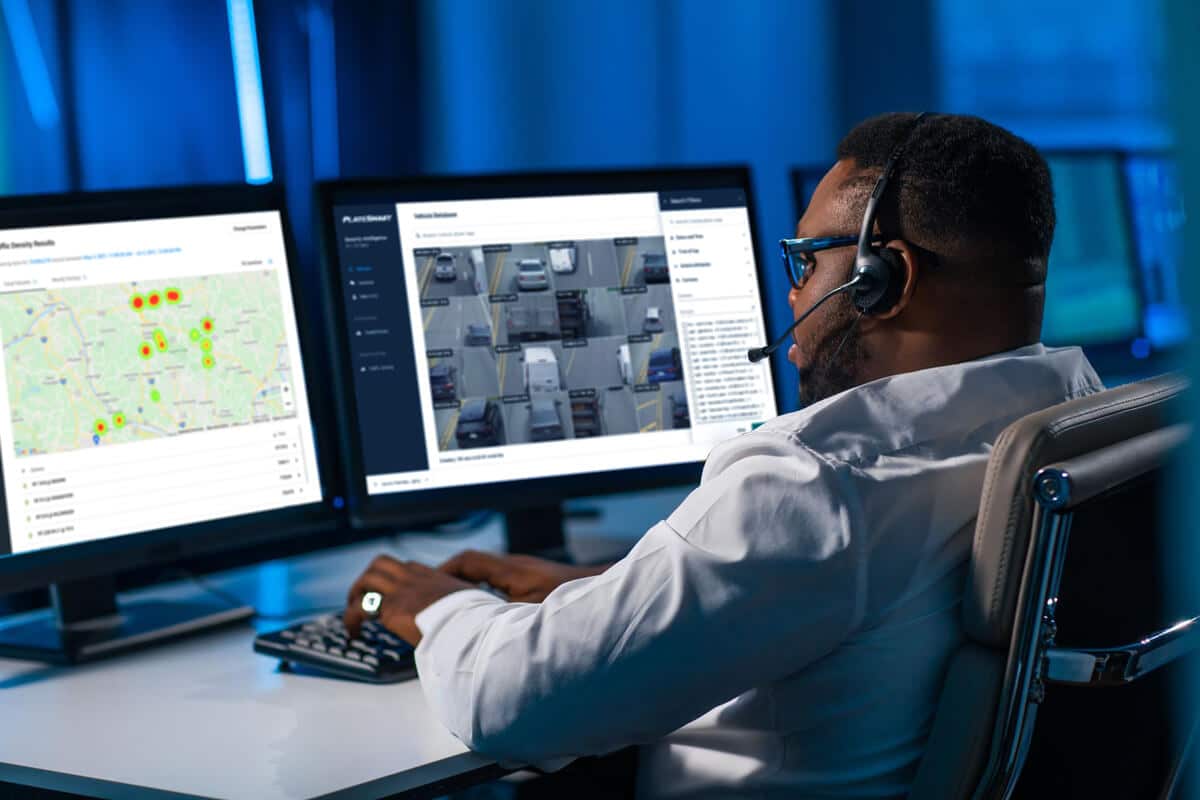
Computer-vision concept for vehicle recognition and evaluation of monitored self-training approaches under changing conditions.
View the Vehicle Recognition solution study
AI is revolutionizing education by enabling personalized learning through adaptive platforms that tailor content to each student's unique pace and style. AI-driven intelligent tutoring systems provide 24/7 support, while automated grading tools free up educators to focus on mentorship. Beyond the classroom, predictive analytics help institutions identify at-risk students and improve retention rates. By bridging accessibility gaps with real-time translation and specialized support for diverse learners, AI is fostering a more inclusive, efficient, and data-informed educational landscape.

AI optimizes the consumer goods lifecycle through demand forecasting and personalized marketing. By analyzing real-time data, companies minimize inventory waste and enhance supply chains. In-store, AI-driven smart shelves and automated checkout streamline shopping, while chatbots offer 24/7 support. Ultimately, AI enables brands to deliver hyper-tailored products and experiences that align perfectly with shifting consumer preferences.

AI consultancy helps organizations define outcomes, assess data and risk, compare AI with simpler alternatives, and plan a proportionate solution architecture. The work can cover readiness assessments, roadmaps, evaluation plans, governance requirements, and bounded pilots before a larger investment is made.

AI development involves creating systems capable of performing tasks that typically require human intelligence. This process integrates machine learning algorithms, neural networks, and massive datasets to build models that recognize patterns and make decisions. Current development focuses on Large Language Models (LLMs) and agentic workflows, prioritizing scalability, ethical alignment, and seamless integration into existing software ecosystems to drive cross-industry innovation.

AI Engineering focuses on the infrastructure and operating practices needed to move an evaluated model beyond a prototype. Work may include data pipelines, MLOps, model optimization, integration, monitoring, rollback planning, and cost controls. Deployment scope depends on measured performance, reliability requirements, security review, and the intended environment.

Data services establish the infrastructure and controls required for analytics and AI. The work can include building reliable pipelines to ingest, transform, and aggregate raw data from disparate sources into clean, reliable datasets. By prioritizing data integrity, governance, scalability, and latency, teams can make information more suitable for analysis, model development, and controlled use in operational systems.