
☰
High-Stakes AI for a Global Scale.
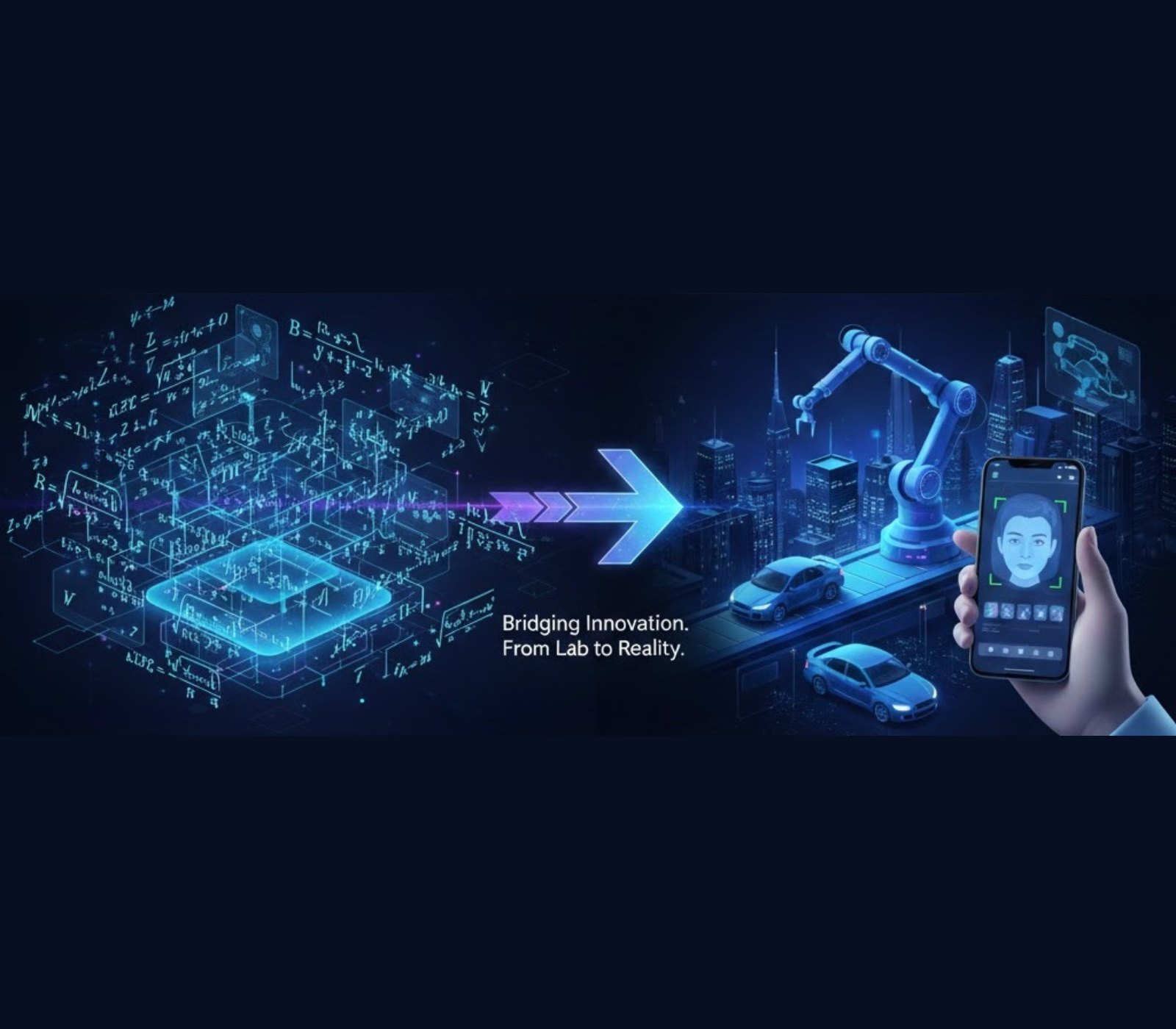
Deep Learning (DL) is a sophisticated subset of Machine Learning inspired by the intricate neural networks of the human brain. It utilizes multi-layered architectures—Deep Neural Networks—to autonomously extract and learn patterns from vast oceans of unstructured data, such as high-resolution images, complex audio signals, and natural language text. Unlike traditional algorithms that rely on human intervention, DL eliminates the need for manual feature engineering. Instead, it "sees" and "understands" intricate features through a multi-level hierarchy, where each layer builds upon the last to grasp increasingly abstract concepts.
Our unique edge lies in bridging the critical gap between lab-scale innovation and real-world impact.
While many organizations remain focused on chasing theoretical benchmarks and academic leaderboards, we specialize in the art of "Productizing AI." This mission involves meticulously optimizing massive, compute-heavy models to run efficiently on resource-constrained edge devices and mobile hardware. We prioritize ensuring robust, reliable performance under unpredictable real-world conditions, transforming fragile academic breakthroughs into durable, scalable industrial solutions. At our core, we don't just build abstract models; we architect and deploy actionable intelligence that solves tangible problems for businesses and society.
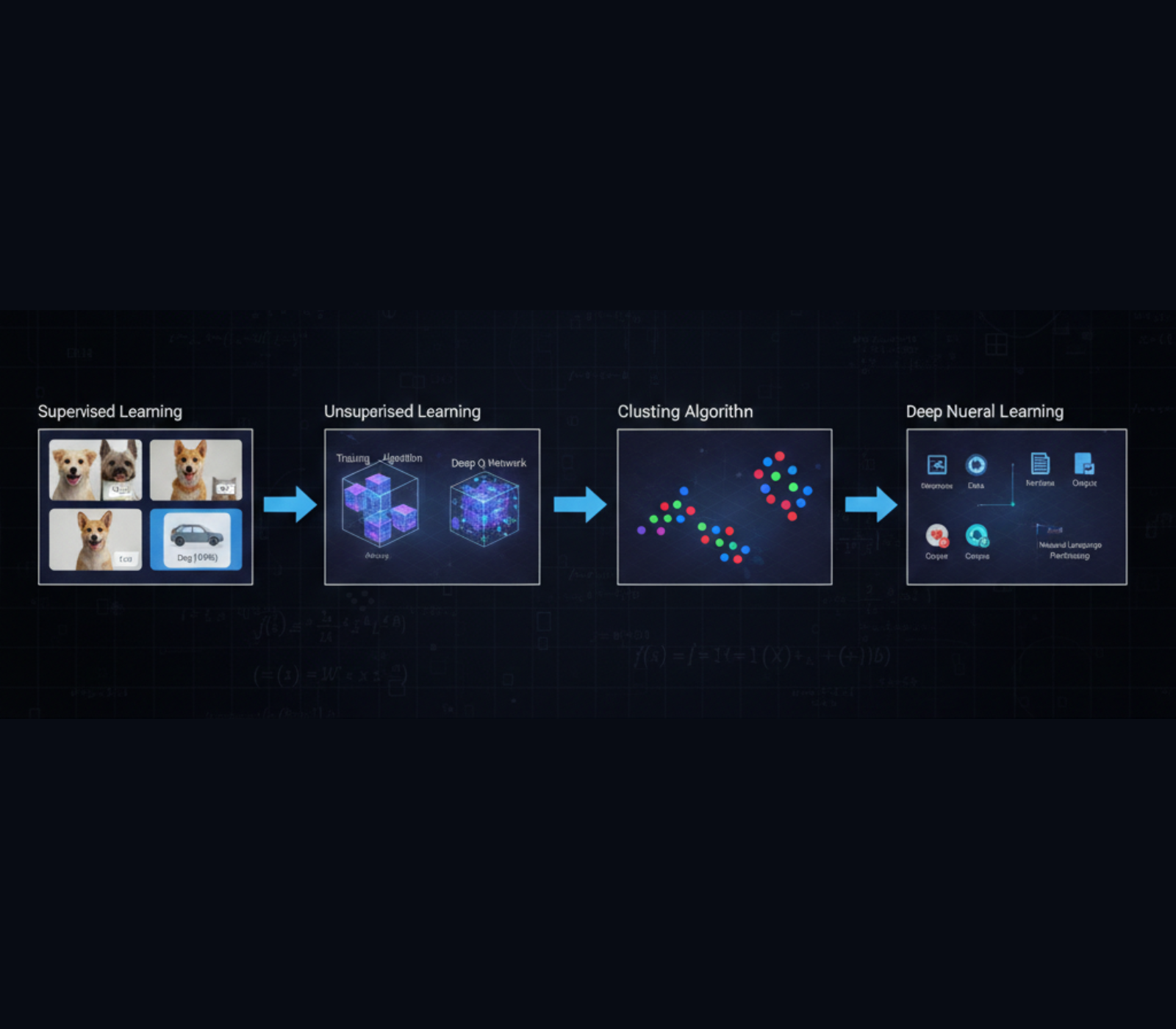
Machine Learning (ML) is a transformative branch of Artificial Intelligence that enables computers to learn from data and improve their performance without being explicitly programmed for every specific task. Instead of following rigid, hand-coded rules, ML systems use mathematical algorithms to identify complex patterns within large datasets. By analyzing historical information, these models can make highly accurate predictions or autonomous decisions when presented with new, unseen data.
Our approach to Machine Learning goes beyond theoretical modeling; we focus on Industrial-Grade Intelligence. We specialize in taking these algorithms out of the research environment and integrating them into live production ecosystems. This involves building robust data pipelines, ensuring model interpretability, and maintaining high accuracy in dynamic, "noisy" real-world environments. From predictive maintenance in smart factories to personalized user experiences in digital platforms, we transform raw data into a strategic asset that drives measurable business value. We don't just provide algorithms; we deliver scalable systems that learn, adapt, and evolve alongside your business.
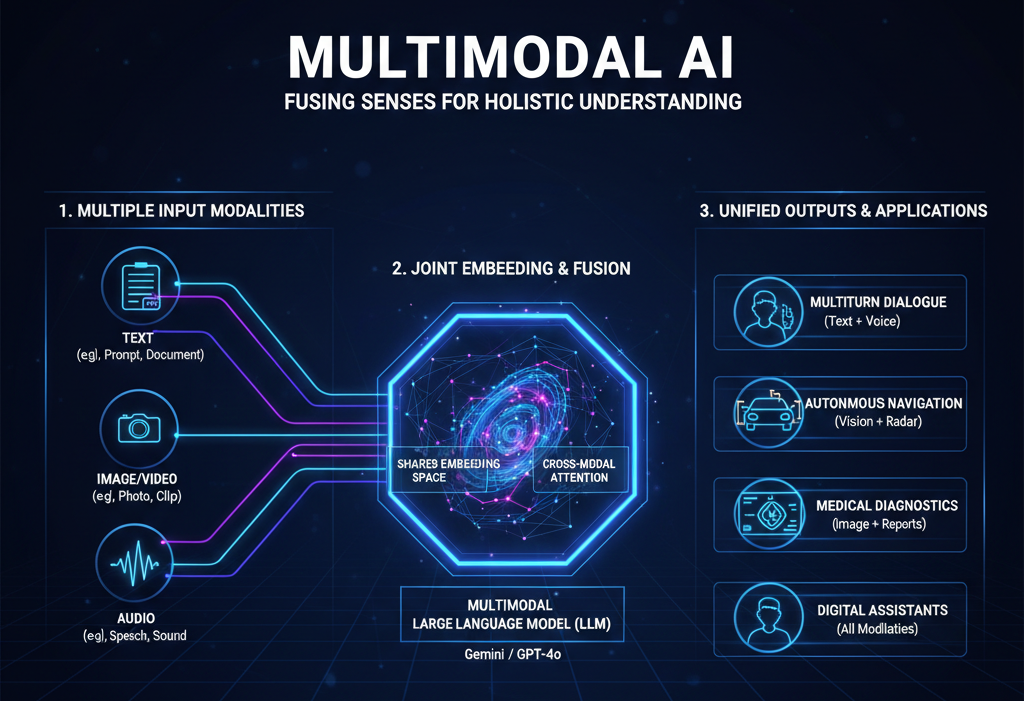
Multimodal AI refers to a class of machine learning models capable of processing, understanding, and generating information across multiple types of data, or "modalities," such as text, images, audio, and video. Unlike standard unimodal systems—which are limited to a single input type (like a text-only chatbot)—multimodal models can correlate information between different senses. For example, they can "see" a photograph and "describe" it in text, or "listen" to a video and "identify" the objects within it.
The technical core of multimodality involves mapping different data types into a joint embedding space. This allows the model to realize that the written word "apple" and an actual image of a red fruit represent the same concept. Key architectures facilitating this include CLIP (Contrastive Language-Image Pre-training) and multimodal Large Language Models. By mimicking the way humans perceive the world through multiple senses simultaneously, multimodal AI achieves a more holistic and human-like understanding of complex environments, making it essential for advanced robotics, autonomous driving, and intuitive digital assistants.
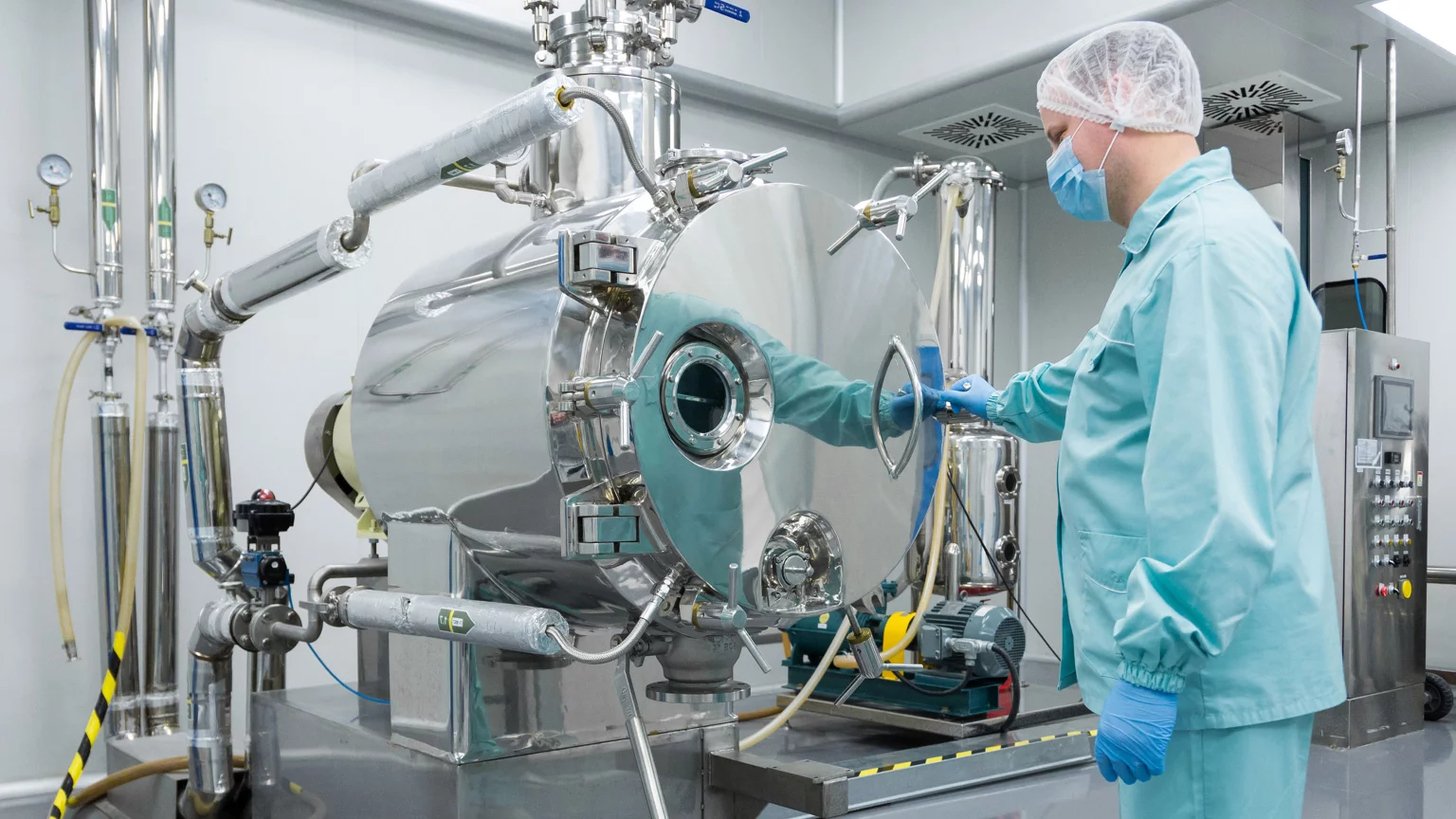
Artificial Intelligence has transitioned from a research tool to the operational "operating system" of the life sciences industry. By integrating multimodal data—genomic sequences, protein structures, and clinical records—AI is dramatically compressing the R&D timeline.
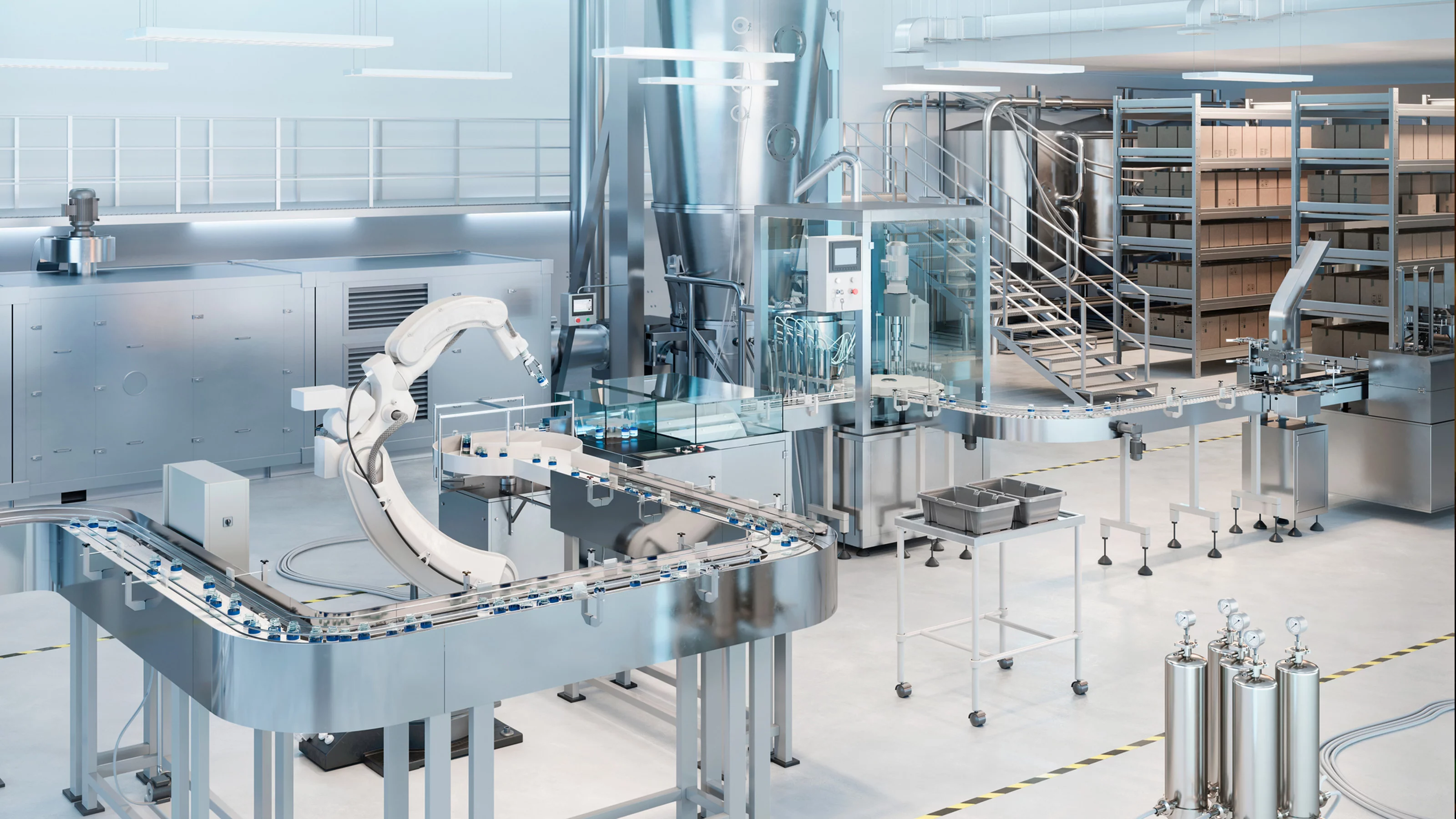
AI is fundamentally reshaping manufacturing into agile, cognitive "Industry 4.0" environments. Through Machine Learning and Computer Vision, "Smart Factories" now rely on predictive insights rather than reactive measures. Key applications include predictive maintenance to drastically reduce downtime and AI-driven quality control for superior defect detection. AI further optimizes complex supply chains and utilizes digital twins for virtual simulation, enabling unprecedented efficiency and advanced human-robot collaboration.

A systematic approach for lead scoring that uses machine learning to analyze customer data, predict conversion likelihood, and prioritize high-value prospects for sales teams.
Learn more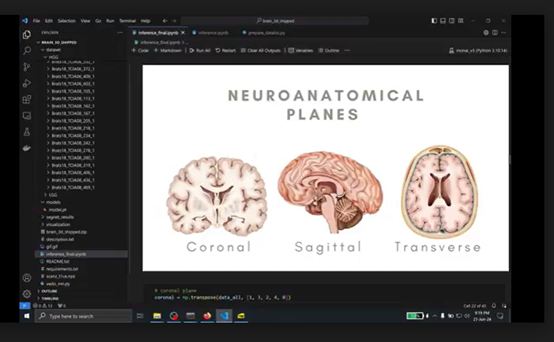
Advanced deep learning model for precise 3D segmentation of brain tumors from MRI scans, enabling accurate glioma identification, therapy planning, and early detection.
Learn more
Intelligent market segmentation solution that leverages AI to analyze customer behavior, demographics, and preferences to create targeted marketing campaigns with higher conversion rates.
Learn more
LLM-powered restaurant and dining discovery platform that understands natural language queries to recommend personalized entertainment venues based on user preferences and context.
Learn more
AI-driven system for real-time train delay prediction and railway safety monitoring, using predictive analytics to optimize scheduling and prevent potential incidents.
Learn more
Intelligent access control system that uses computer vision for vehicle recognition, continuously learning and improving accuracy through self-training mechanisms.
Learn more
AI is revolutionizing education by enabling personalized learning through adaptive platforms that tailor content to each student's unique pace and style. AI-driven intelligent tutoring systems provide 24/7 support, while automated grading tools free up educators to focus on mentorship. Beyond the classroom, predictive analytics help institutions identify at-risk students and improve retention rates. By bridging accessibility gaps with real-time translation and specialized support for diverse learners, AI is fostering a more inclusive, efficient, and data-informed educational landscape.

AI optimizes the consumer goods lifecycle through demand forecasting and personalized marketing. By analyzing real-time data, companies minimize inventory waste and enhance supply chains. In-store, AI-driven smart shelves and automated checkout streamline shopping, while chatbots offer 24/7 support. Ultimately, AI enables brands to deliver hyper-tailored products and experiences that align perfectly with shifting consumer preferences.

B2B AI consultancy empowers enterprises to navigate the complex AI landscape through strategic integration and custom solution architecture. We specialize in identifying high-impact use cases, from automating workflows to deploying proprietary LLMs. By bridging the gap between raw technology and business ROI, we ensure your organization scales efficiently, maintains rigorous data security, and achieves a sustainable competitive advantage in an AI-first economy.

AI development involves creating systems capable of performing tasks that typically require human intelligence. This process integrates machine learning algorithms, neural networks, and massive datasets to build models that recognize patterns and make decisions. Current development focuses on Large Language Models (LLMs) and agentic workflows, prioritizing scalability, ethical alignment, and seamless integration into existing software ecosystems to drive cross-industry innovation.

AI Engineering transforms experimental models into robust, enterprise-grade assets by integrating MLOps and scalable infrastructure. This service focuses on building resilient data pipelines, optimizing model performance for high-traffic environments, and ensuring seamless integration with existing software stacks. By prioritizing security, reliability, and cost-efficiency, AI Engineering enables businesses to move beyond prototypes to achieve sustainable, real-world impact at production scale.

Data service establishes the foundational infrastructure required for high-performance analytics and AI. It involves building robust pipelines to ingest, transform, and aggregate raw data from disparate sources into clean, reliable datasets. By prioritizing data integrity, scalability, and latency, this discipline ensures that information is structured and accessible, enabling data scientists and AI models to derive actionable insights within a secure, enterprise-grade environment.